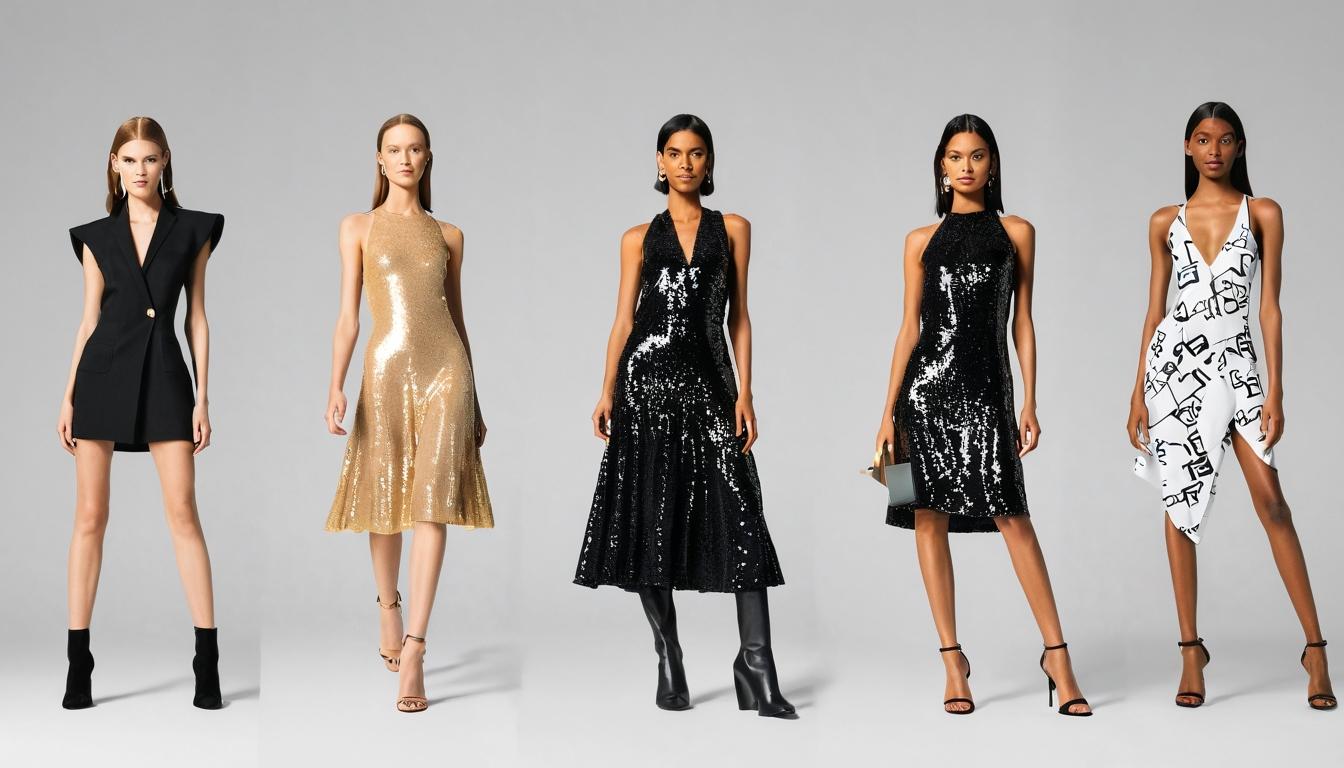
In the polished corridors of fashion's established houses, a different story is unfolding. While runways still dazzle with their seasonal spectacles, a parallel movement has been gaining momentum in the shadows—one that questions the very foundations of how we create, consume, and conceptualize clothing. This isn't about trends you'll see splashed across next month's magazine covers; it's about a fundamental shift in philosophy that's been brewing in studios, online communities, and second-hand markets.
Walk into any major city's creative district, and you'll find it: designers who've traded wholesale orders for direct relationships with their customers, building garments around individual stories rather than mass-market fantasies. They're leveraging technology not for faster production, but for deeper connection—3D body scans ensuring perfect fit, digital archives tracing a garment's lifecycle, and blockchain ledgers verifying sustainable sourcing from field to finished piece. The goal is no longer just to sell a product, but to foster a narrative that the wearer becomes part of.
This movement is inherently tied to a new kind of consumer literacy. Where once fashion knowledge meant recognizing a designer's silhouette from a hundred paces, today's savvy shopper can dissect a supply chain, question material origins, and evaluate a brand's labor practices before ever clicking 'add to cart.' Social media has democratized expertise, turning everyday wearers into critics, historians, and activists. The most interesting conversations aren't happening in front-row seats, but in comment sections and community forums where authenticity is the ultimate currency.
Material innovation is happening at a microscopic level, quite literally. Scientists and designers are collaborating on fabrics grown from mycelium, dyes developed from food waste, and textiles engineered to decompose gracefully or be perpetually recycled. The most exciting developments aren't about creating something new from virgin resources, but about reimagining what we've already discarded. This technical revolution remains largely invisible to the mainstream, but its implications could reshape the industry's environmental footprint within a decade.
Perhaps the most radical change is temporal. The seasonal calendar—that relentless cycle of pre-collections, main collections, and resort wear—is being challenged by creators who release work when it's ready, or who operate on a made-to-order basis that eliminates overproduction entirely. This isn't anti-fashion; it's post-calendar fashion, where relevance isn't dictated by a month on the calendar but by cultural resonance and personal meaning.
What emerges from these interconnected developments isn't a single aesthetic or manifesto, but a new ecosystem. It's messy, contradictory, and gloriously diverse. Some participants champion hyper-local production while others build global digital communities. Some focus on high-tech solutions while others revive ancient techniques. What unites them is a shared belief that fashion can be both beautiful and accountable, creative and conscientious, aspirational and accessible.
This quiet revolution won't be televised during fashion week broadcasts. You'll find it in the small-batch studio where every seamstress is named on the label, in the online platform connecting fabric surplus with emerging designers, in the repair cafe extending a garment's life through visible mending. It's happening slowly, persistently, in the spaces between the industry's traditional power structures. And it might just be fashion's most important development since the sewing machine.
The quiet revolution: How fashion's underground is rewriting the rules