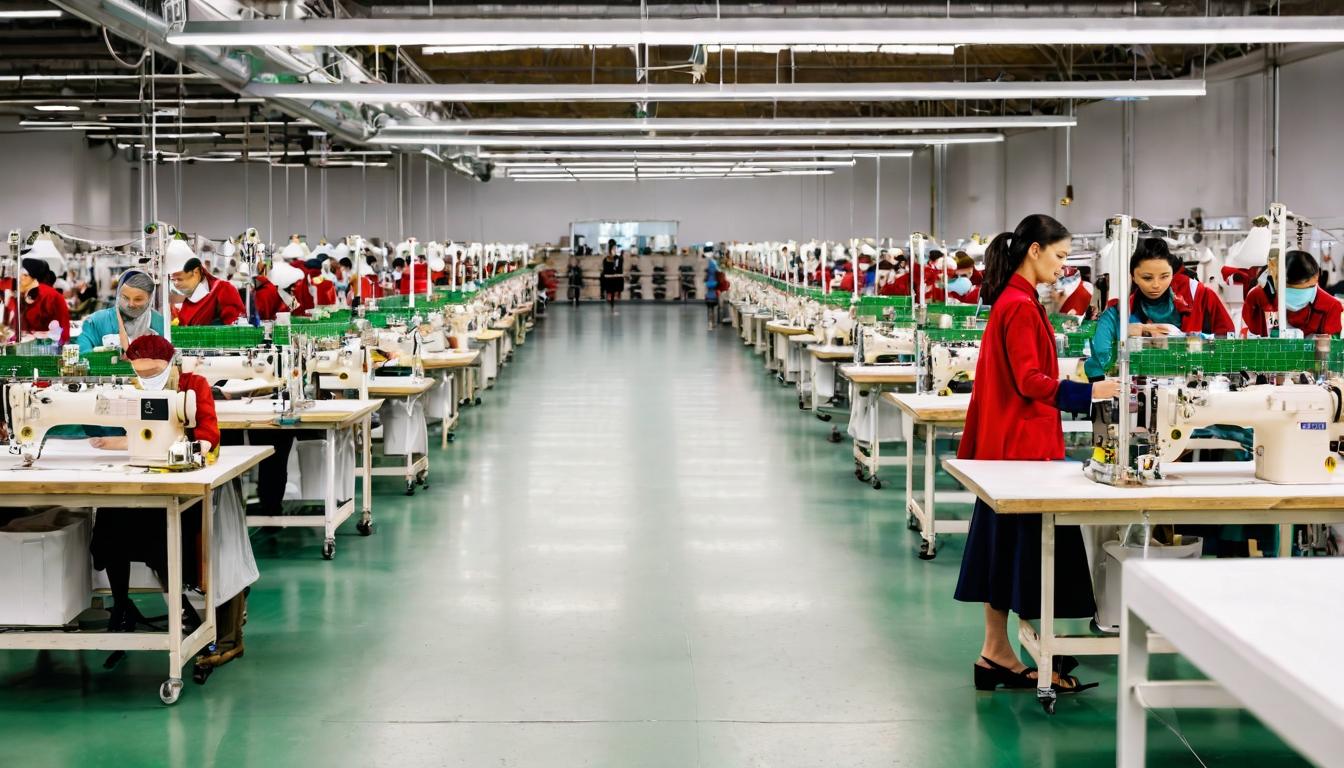
In the glittering world of fashion weeks and red carpets, there's a story that rarely makes the headlines. It's not about which celebrity wore which designer, or which trend will dominate next season. It's about the people who make the clothes, the invisible hands that stitch the seams, and the quiet revolution happening in factories and studios from Milan to Mumbai. While most fashion coverage focuses on the finished product, a deeper investigation reveals an industry at a crossroads, grappling with questions of ethics, sustainability, and human dignity that can no longer be ignored.
Walk into any major fashion house's atelier, and you'll find artisans whose skills have been passed down through generations. These are the people who can drape fabric on a mannequin with such precision that it looks like liquid, who can hand-stitch beadwork so delicate it seems to float. Yet for decades, their stories remained untold, their contributions reduced to a line in a program or a footnote in a press release. Today, that's changing. Workers are organizing, speaking out, and demanding recognition not just as laborers, but as artists in their own right.
Sustainability has become fashion's favorite buzzword, but what does it really mean for the people who make our clothes? Beyond organic cotton and recycled polyester lies a more complex reality. It's about living wages, safe working conditions, and respect for traditional craftsmanship that fast fashion nearly destroyed. In Bangladesh, garment workers who once toiled in dangerous factories are now forming cooperatives. In Italy, master tailors are teaching their skills to a new generation, ensuring that techniques developed over centuries don't disappear.
The pandemic exposed fashion's fragile supply chains, but it also created unexpected opportunities. With travel restrictions limiting the usual parade of editors and buyers, many brands turned their attention inward, investing in local manufacturing and supporting nearby artisans. This shift toward regional production isn't just practical—it's philosophical. It represents a move away from globalization's race to the bottom and toward a more thoughtful, connected way of creating fashion.
Technology is playing a surprising role in this transformation. While automation threatens some jobs, it's also creating new ones. Digital pattern-making allows for zero-waste designs, reducing fabric waste and saving money that can be passed on to workers. Blockchain technology is being used to trace garments from field to closet, ensuring transparency at every step. And social media gives workers a platform to share their stories directly, bypassing traditional gatekeepers.
Perhaps the most significant change is psychological. For too long, fashion treated its workforce as disposable—seasonal employees hired and fired with the collections, factory workers seen as interchangeable cogs in a machine. That mindset is crumbling. Consumers, especially younger ones, want to know who made their clothes and under what conditions. They're willing to pay more for garments with a story, for pieces that support real people rather than faceless corporations.
This isn't just about doing the right thing—it's about survival. The fashion industry faces unprecedented challenges: climate change, shifting consumer values, and the aftermath of a global pandemic that revealed its vulnerabilities. The brands that thrive will be those that recognize their greatest asset isn't their logo or their marketing budget, but their people. The seamstress who notices a flaw before a garment ships, the dyer who knows exactly how to achieve that perfect shade of crimson, the quality controller who catches a problem that could become a scandal—these are the unsung heroes keeping fashion alive.
Their revolution isn't loud. You won't see them on runways or in magazine spreads. But in small ways, every day, they're changing what fashion means. They're proving that beautiful clothes don't have to come at a human cost, that tradition and innovation can coexist, and that the most valuable thing you can wear isn't a label, but a clear conscience.
The next time you admire a beautifully constructed jacket or a delicately embroidered dress, remember: someone's hands made that. Someone's skill, patience, and care went into every stitch. And as fashion evolves, those hands—and the people they belong to—are finally getting the recognition they deserve.
The quiet revolution: how fashion's invisible workers are rewriting the rules