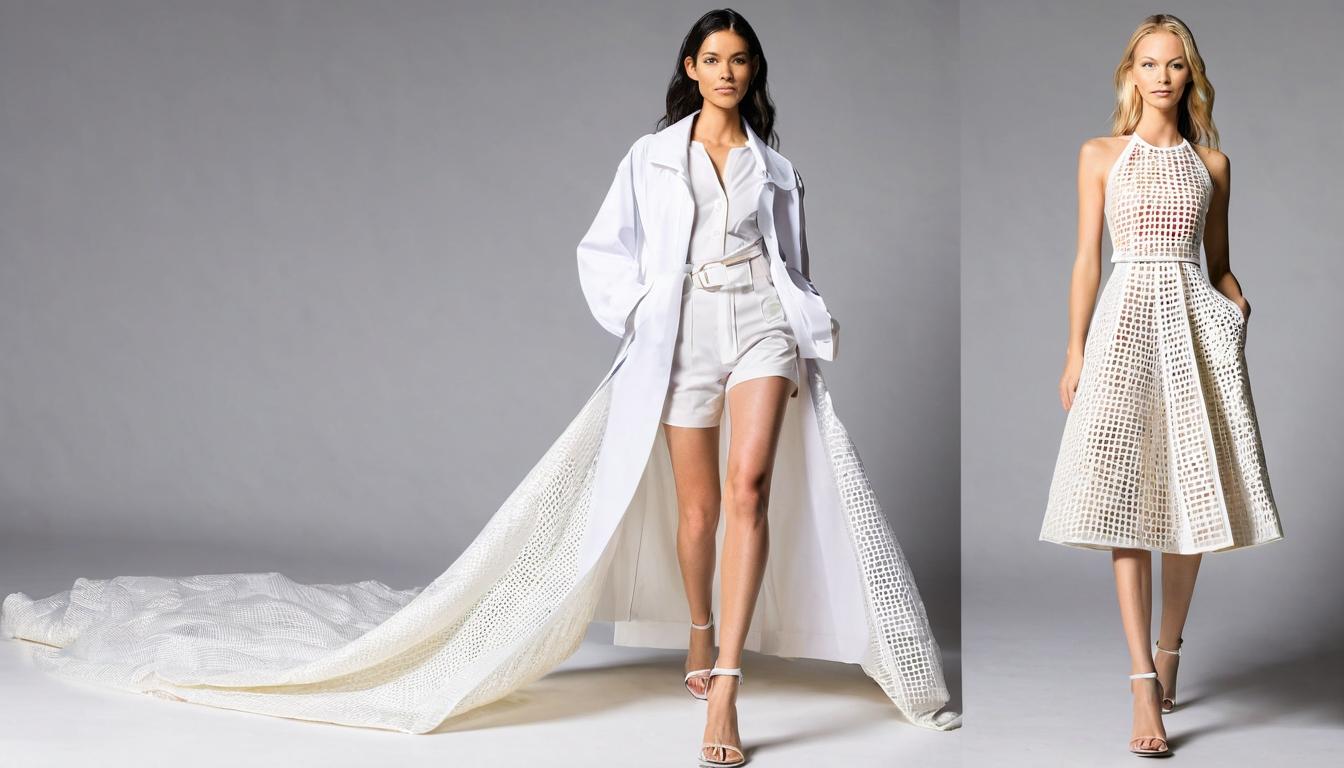
In the glittering world of fashion, where runway shows command headlines and celebrity stylists become household names, there exists a parallel universe of influence that operates in near silence. While Vogue chronicles the latest couture collections and Elle dissects celebrity red carpet moments, a different story is unfolding in the backrooms of design studios, the quiet corners of fabric mills, and the unassuming offices of textile engineers. This isn't about what's trending next season—it's about what's being woven into the very fabric of fashion itself, a revolution happening stitch by invisible stitch.
Walk into any major fashion house today, and you'll find chemists working alongside creative directors. At Harpers Bazaar, they're calling it 'the laboratory chic' movement, but that barely scratches the surface. These aren't just scientists creating new synthetic materials; they're alchemists transforming agricultural waste into luxurious textiles, developing fabrics that clean themselves, and engineering materials that change color with body temperature. The implications are staggering—imagine a winter coat that darkens to absorb more heat when the mercury drops, or a summer dress that lightens its hue as the sun intensifies.
Meanwhile, over at Fashionista, they've been tracking a different kind of revolution—one happening at the molecular level. Biofabrication labs are now growing leather from mushroom roots and silk from fermented yeast. These aren't futuristic concepts confined to science journals; companies are already producing these materials at scale. The environmental impact could be transformative, potentially reducing the fashion industry's carbon footprint by double-digit percentages within the decade. Yet most consumers browsing these revolutionary garments won't know they're wearing lab-grown materials—the experience, the drape, the feel remains indistinguishable from traditional fabrics.
What The Cut has astutely observed is how these technological advances are creating new ethical dilemmas even as they solve old ones. When a material is grown rather than manufactured, who owns it? Can you patent a DNA sequence? These questions are moving from theoretical discussions in law journals to boardroom battles at luxury conglomerates. The very definition of 'natural' is being rewritten—is a spider-silk protein produced by genetically modified yeast more or less natural than silk harvested from silkworms? Fashion has always been about storytelling, but now the stories are being written in genetic code.
Refinery29 has been documenting the human side of this transformation—the artisans whose centuries-old crafts are being both threatened and preserved by new technologies. In Italy, third-generation leather tanners are learning to work with apple leather. In India, master weavers are incorporating conductive threads into traditional saris. This isn't a story of technology replacing tradition, but rather a complex dance where old and new are learning each other's steps. The most successful innovations aren't those that erase history, but those that create a dialogue between heritage and horizon.
Perhaps most surprisingly, this quiet revolution is changing how we think about clothing ownership. With materials becoming more durable, self-repairing, and adaptable to different climates and occasions, the very concept of a 'seasonal wardrobe' is being challenged. Why buy four coats for different weather conditions when one can transform? This shift has profound implications for fast fashion and sustainability movements alike—it's not just about buying less, but about buying smarter, about garments designed for decades rather than seasons.
The true revolution isn't in what we see on runways or in magazine spreads, but in what we don't see—the molecular structures, the supply chain transformations, the quiet collaborations between disciplines that never used to speak the same language. Fashion has always been a reflection of its time, but now it's becoming a prediction of our future—a future where our clothes might monitor our health, communicate with our devices, and adapt to our needs before we even articulate them. The next time you admire a beautiful garment, remember: you're not just looking at fabric and thread, but at the frontier of human ingenuity.
The quiet revolution: how fashion's invisible hands are reshaping our wardrobes