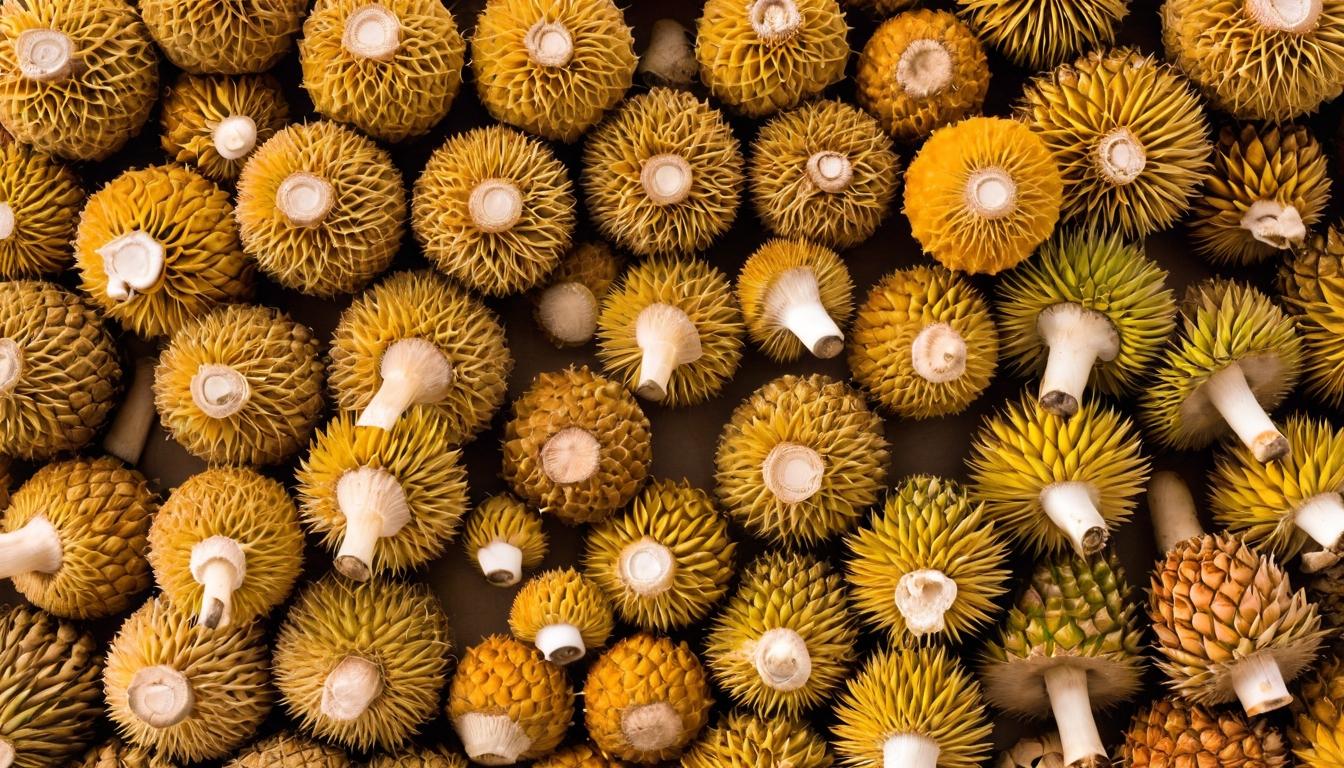
In a Milan showroom last season, a designer ran her fingers across a bolt of cloth that felt like silk but came from orange peels. In a Brooklyn studio, another was weaving fabric from discarded fishing nets pulled from the Pacific. Meanwhile, in laboratories from Tokyo to Stockholm, scientists are growing leather from mushrooms and spinning yarn from spider proteins. This isn't science fiction—it's fashion's most consequential shift since the industrial revolution, and it's happening not on runways but in research facilities and forgotten textile mills.
What connects these innovations isn't just their environmental credentials but their challenge to fashion's fundamental relationship with materials. For centuries, the industry has operated on extraction: take from nature, transform, discard. The new material pioneers are asking what happens if we work with nature instead, creating fabrics that biodegrade gracefully or regenerate ecosystems rather than deplete them. The implications reach far beyond sustainability reports into questions of cultural identity, economic justice, and even what luxury means in an age of climate consciousness.
Consider hemp, once associated with hippie aesthetics, now being reengineered by European mills into fabrics so fine they rival Egyptian cotton. The plant requires minimal water, enriches rather than depletes soil, and can be grown without pesticides. Yet its revival faces regulatory hurdles and cultural baggage that reveal how deeply our material choices are entangled with politics and perception. Similarly, pineapple leather—made from waste leaves of fruit harvests—offers economic opportunities for farming communities while creating a cruelty-free alternative to animal hides.
Perhaps most intriguing are the materials that don't yet exist. Biofabrication startups are programming microorganisms to produce specific fibers, while others are exploring how to harvest materials from invasive species like water hyacinths choking waterways from Louisiana to Bangladesh. These approaches reframe waste not as an endpoint but as raw material, creating circular systems where yesterday's discarded garment becomes tomorrow's yarn.
Yet for all their promise, these new materials face formidable barriers. Scaling production remains challenging, with many innovations stuck in prototype phase. Consumer education lags behind technological advancement—how many shoppers understand the difference between recycled polyester and regenerated nylon? And greenwashing threatens to dilute genuine progress, as brands slap 'sustainable' labels on marginal improvements while maintaining fundamentally extractive business models.
The most successful implementations often come from unexpected collaborations. In Portugal, a centuries-old wool mill now processes recycled cashmere alongside traditional weaves. In Japan, kimono artisans are incorporating seaweed fibers into ceremonial garments. These hybrid approaches honor craftsmanship while embracing innovation, suggesting that fashion's future might lie not in abandoning tradition but in reimagining it.
What emerges from these disparate threads is a quiet revolution in how we conceive of clothing itself. If materials can heal rather than harm, if garments can nourish ecosystems at their end of life rather than clog landfills, then fashion transforms from a vector of environmental damage to a potential force for regeneration. This shift requires rethinking everything from supply chains to consumer behavior, but it begins with something simple: recognizing that every thread tells a story about our relationship with the living world.
The next time you examine a garment's label, look beyond fiber content to consider its deeper narrative. That linen shirt might connect to flax farmers in Normandy practicing regenerative agriculture. That recycled polyester dress might trace back to plastic bottles collected from Manila's streets. And that experimental mushroom leather bag might represent years of research into alternatives to animal hides. In choosing what to wear, we're not just expressing personal style but voting for particular relationships with nature, labor, and technology.
Fashion has always been a mirror of cultural values. As climate change reshapes our world, the materials we wear are becoming that mirror's most telling reflection. The revolution won't be televised from front rows but cultivated in labs, revived in traditional mills, and woven into garments that carry not just aesthetic appeal but ecological intelligence. The fabric of fashion is changing, thread by revolutionary thread.
The quiet revolution: how fashion's forgotten fabrics are rewriting sustainability