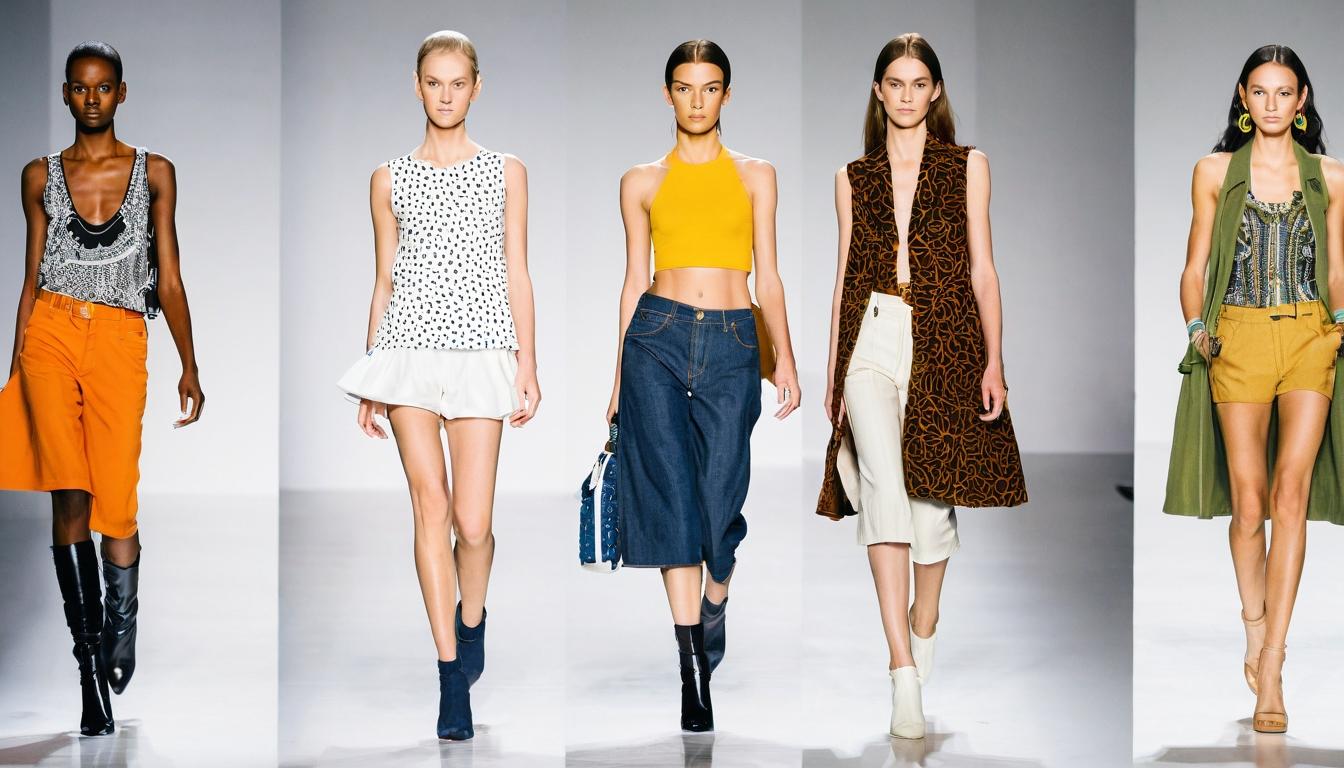
If you've scrolled through fashion content recently, you might have noticed something peculiar. While mainstream coverage obsesses over runway spectacles and celebrity outfits, a different conversation is brewing in the corners of the internet where style actually lives. This isn't about what's trending this season—it's about why we wear what we wear, who gets to decide what matters, and how our clothes quietly shape our identities in ways we're only beginning to understand.
Walk into any fast-fashion retailer and you'll see the same silhouettes, colors, and patterns that dominated last month's fashion weeks. But step outside and observe real people moving through cities, and you'll witness a fascinating disconnect. Street style isn't following editorial calendars anymore—it's creating its own timeline. In Brooklyn, Tokyo, London, and Lagos, individuals are mixing vintage finds with contemporary pieces in ways that defy seasonal logic, creating personal uniforms that speak to identity rather than trend alerts.
This shift represents more than just aesthetic rebellion. It's part of a larger cultural reckoning with fashion's environmental and ethical footprint. While sustainability has become a buzzword in marketing campaigns, a genuine movement is growing among designers, collectors, and everyday consumers who are questioning the very premise of constant consumption. They're not just buying "green" collections—they're rebuilding relationships with clothing through repair, alteration, and creative reuse that challenges the industry's growth-at-all-costs model.
Meanwhile, the traditional gatekeepers are losing their grip. Fashion criticism once flowed from a handful of prestigious publications to the masses, but today's most insightful commentary often comes from TikTok historians analyzing historical silhouettes, Substack writers dissecting corporate sustainability reports, and Instagram archivists preserving forgotten designer legacies. These new voices bring specialized knowledge and diverse perspectives that traditional media often lacks, creating a richer, more nuanced conversation about what fashion means and why it matters.
Perhaps most significantly, we're witnessing the democratization of style authority. The woman who has perfected the art of thrift-store curation, the non-binary person developing a signature aesthetic outside gendered norms, the disabled community creating adaptive fashion solutions—these are the new experts. Their authority comes not from industry titles but from lived experience and creative ingenuity, challenging the notion that fashion expertise requires proximity to runways or designer showrooms.
This quiet revolution extends to how we value clothing itself. While luxury brands continue pushing astronomical prices for logo-heavy items, a counter-movement celebrates the beauty of well-made basics, the character of worn-in denim, and the stories embedded in handed-down pieces. It's a shift from conspicuous consumption to considered curation, from displaying wealth to expressing values, from wearing labels to crafting narratives through personal style.
Technology is accelerating these changes in unexpected ways. Digital fashion—once dismissed as a novelty—is becoming a legitimate space for experimentation, allowing creators to design impossible garments without physical waste. AI tools are helping small designers predict trends and optimize production, challenging the advantage once held by major corporations with massive research budgets. Even the humble resale platform has evolved into a cultural archive, preserving and circulating fashion history outside institutional collections.
What emerges from these interconnected movements is a new fashion ecosystem—one less centralized, more diverse, and surprisingly resilient. It's an ecosystem where a teenager's TikTok about upcycling jeans can influence design students, where a vintage dealer's Instagram can shape aesthetic preferences more effectively than a magazine editorial, and where community clothing swaps can foster both sustainability and style innovation.
This isn't to say that traditional fashion media or luxury houses are disappearing. Rather, they're becoming participants in a much larger conversation—one they no longer control. The most interesting developments are happening at the intersections: where high fashion meets street style, where sustainability meets desire, where digital innovation meets tactile tradition.
The revolution in your closet isn't loud or dramatic. It doesn't announce itself with press releases or celebrity endorsements. It happens gradually, through small choices and quiet realizations: that favorite jacket you've repaired three times, the vintage find that fits perfectly after minor alterations, the outfit you assembled from three different thrift stores that somehow expresses you better than any designer collection ever could. These aren't just clothing choices—they're quiet declarations of independence from a system that told us what to wear, when to wear it, and how much it should cost.
As this revolution continues, the most exciting question isn't what we'll be wearing next season, but what new relationships we'll build with our clothes, what stories they'll help us tell, and what values they'll help us express. The future of fashion isn't on the runway—it's already hanging in your closet, waiting for you to see it with new eyes.
The quiet revolution happening in your closet: how fashion's underground movements are rewriting the rules