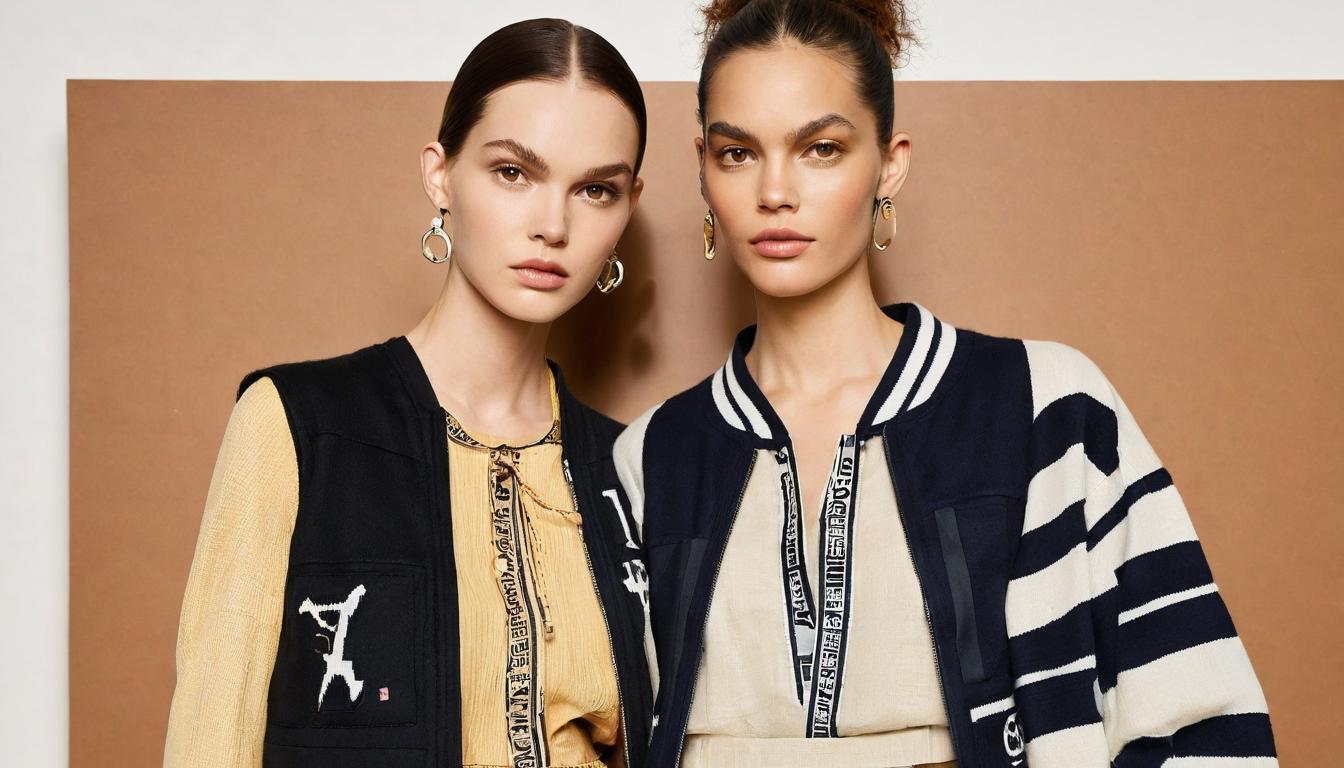
If you've scrolled through fashion content recently, you might have noticed something peculiar. The once-dominant cycle of runway shows, magazine spreads, and seasonal must-haves has developed cracks. While mainstream outlets still cover the spectacle, a parallel universe has been growing in the shadows—one that doesn't wait for permission from Paris or Milan.
This underground movement isn't about rebellion for rebellion's sake. It's a response to something deeper: the realization that fashion, at its core, is about personal expression, not corporate calendars. Across platforms like TikTok and niche forums, creators are mixing vintage finds with contemporary pieces in ways that defy traditional categorization. They're prioritizing emotional resonance over trend reports, building wardrobes that tell stories rather than follow instructions.
What's fascinating is how this shift mirrors changes in other creative industries. Just as music listeners moved from album-focused consumption to playlist curation, fashion enthusiasts are treating their closets like mood boards. The goal isn't to achieve a 'look' but to cultivate a sensibility—one that might blend a grandmother's silk scarf with technical hiking pants, or pair architectural jewelry with worn-in denim.
This approach requires a different kind of literacy. Instead of memorizing designer names or seasonal color palettes, participants in this quiet revolution are developing an eye for texture, proportion, and personal history. They're asking questions like: What does this fabric feel like against my skin? What memories does this cut evoke? Does this piece make me feel more like myself?
Of course, the industry has taken notice. Some brands are responding with 'quiet luxury' collections or emphasizing craftsmanship over logos. But the most interesting developments are happening at the edges, where independent designers create small-batch pieces meant to be worn for decades, not just seasons. These items often come with repair guides rather than care labels, acknowledging that true sustainability means emotional attachment.
Perhaps the most radical aspect of this movement is its relationship with time. Fast fashion trained us to think in weeks; this approach thinks in generations. The most coveted pieces aren't the newest releases but those with patina—the leather jacket that's molded to its owner's shoulders, the dress that's been altered three times to fit changing lives.
This doesn't mean abandoning newness entirely. Rather, it's about being selective. Followers of this philosophy might save for months for a single perfect coat, then wear it nearly daily for years. They're not immune to the thrill of discovery, but they've recalibrated what constitutes a 'find.' Sometimes it's a vintage button that completes a sweater; other times it's learning a mending technique that gives new life to old favorites.
What emerges from this approach is something surprisingly practical: smaller wardrobes that actually get worn. Without the pressure to constantly update, people report feeling more creative with what they have. The constraints become generative, leading to combinations that would never appear in a lookbook but feel perfectly right for the person wearing them.
This movement remains decentralized by design. There are no manifestos or leaders, just countless individual experiments shared across digital networks. The common thread is a desire for authenticity in an era of curated perfection—a recognition that the most compelling style often emerges from lived experience rather than professional styling.
As fashion continues to grapple with its environmental impact and cultural relevance, these quiet experiments might point toward a more sustainable future. Not just ecologically, but emotionally. When clothes become companions rather than commodities, we might just rediscover why we started paying attention to what we wear in the first place.
The quiet revolution happening in your closet: how fashion's underground is rewriting the rules