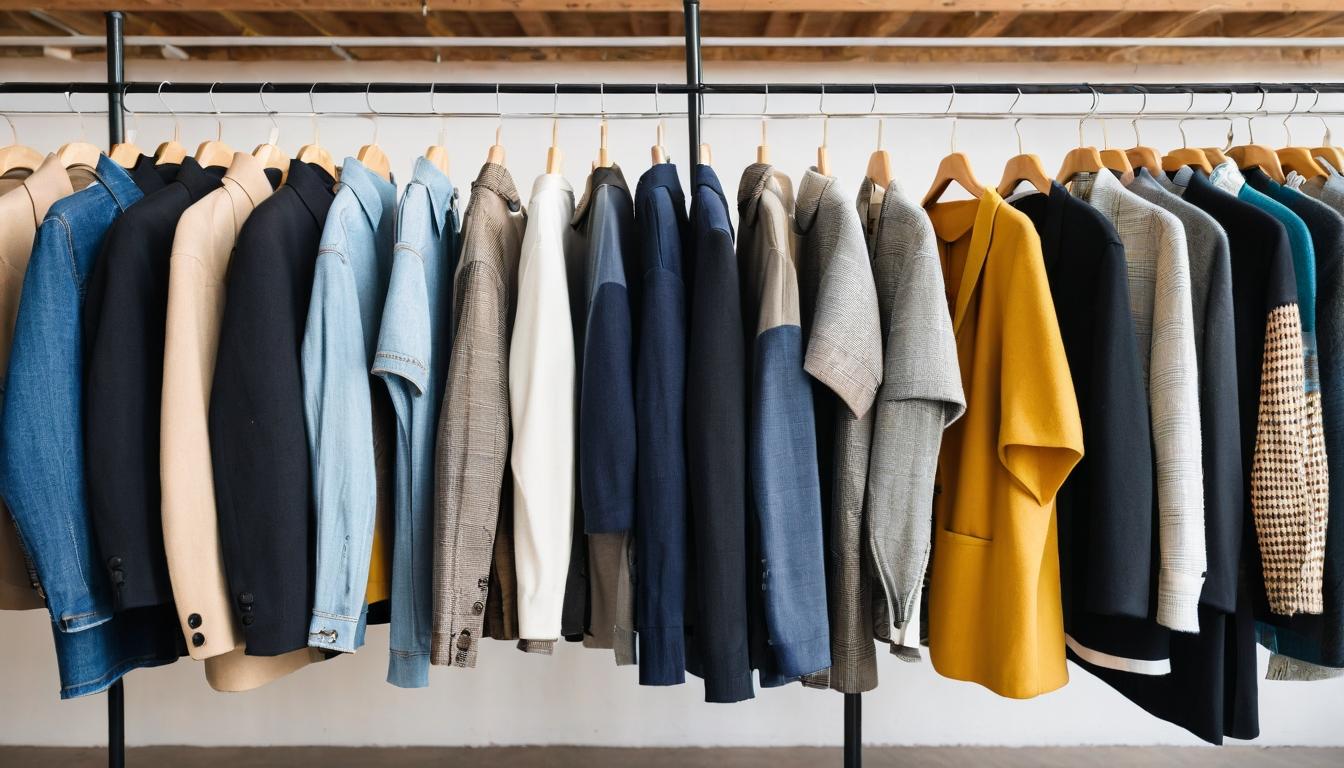
In the glossy pages of Vogue and the curated feeds of Elle, a subtle shift is occurring. It's not about the latest runway trends or celebrity endorsements, but something more profound: a growing movement questioning whether we need to buy anything at all. While Harper's Bazaar celebrates the season's must-haves and Fashionista analyzes street style, a counter-narrative is emerging from the edges of the industry—one that challenges the very premise of constant consumption.
This isn't about minimalist aesthetics or capsule wardrobes as fashion statements. It's about what happens when people start treating their clothes like relationships rather than transactions. On platforms like The Cut and Refinery29, conversations are shifting from "what to buy" to "how to care for what you already own." Repair workshops are popping up in Brooklyn basements, while fabric restoration tutorials gain millions of views on TikTok. The most radical accessory of 2024 might just be a needle and thread.
Behind this movement lies uncomfortable data. The fashion industry produces approximately 100 billion garments annually for 8 billion people. We're drowning in clothes while pretending we have nothing to wear. Yet the solution isn't simply buying "sustainable" alternatives—that greenwashed hoodie still required resources to produce and ship. The real revolution is happening in secondhand markets, clothing swaps among friends, and the rediscovery of what already hangs in our closets.
What makes this moment different from previous anti-consumption waves is its emotional core. People aren't rejecting fashion; they're falling back in love with it. There's intimacy in knowing the history of a vintage leather jacket, satisfaction in mending a favorite pair of jeans, and creativity in restyling garments you've owned for years. This approach transforms fashion from a spectator sport into a participatory art form.
The industry's response has been telling. Luxury brands now offer repair services (for a price), while fast-fashion giants experiment with rental programs. But these corporate adaptations often miss the point. The quiet rebellion isn't about monetizing sustainability—it's about decoupling self-expression from constant purchasing. It's recognizing that the most sustainable garment is the one already in your possession.
This shift carries psychological implications worth examining. For generations, shopping has functioned as retail therapy, a temporary salve for deeper dissatisfactions. What happens when we remove that coping mechanism? Some find anxiety in the void, while others discover liberation. The relationship between identity and acquisition is being rewritten in real time, with fascinating results documented across fashion media.
Perhaps most surprisingly, this movement is making fashion more interesting, not less. Constraints breed creativity. When you can't simply buy a new outfit for every occasion, you become more inventive with combinations, more appreciative of quality construction, and more connected to the stories your clothes tell. The worn elbow on a blazer becomes a badge of experience rather than a defect.
As we move forward, watch for the ripple effects. Already, some influencers are shifting from hauls to "how I've worn this for five years" content. Design schools are incorporating repair and alteration into their curricula. And consumers are asking new questions: not just "who made my clothes?" but "how long will they last?" and "what happens when I'm done with them?"
The future of fashion might look less like a revolving door of trends and more like a curated collection that evolves with its owner. It's a future where the most stylish thing you can do is nothing at all—just wear what you already own, beautifully, until it falls apart. And then maybe fix it, and wear it some more.
The quiet rebellion of sustainable fashion: why your next purchase might be your last