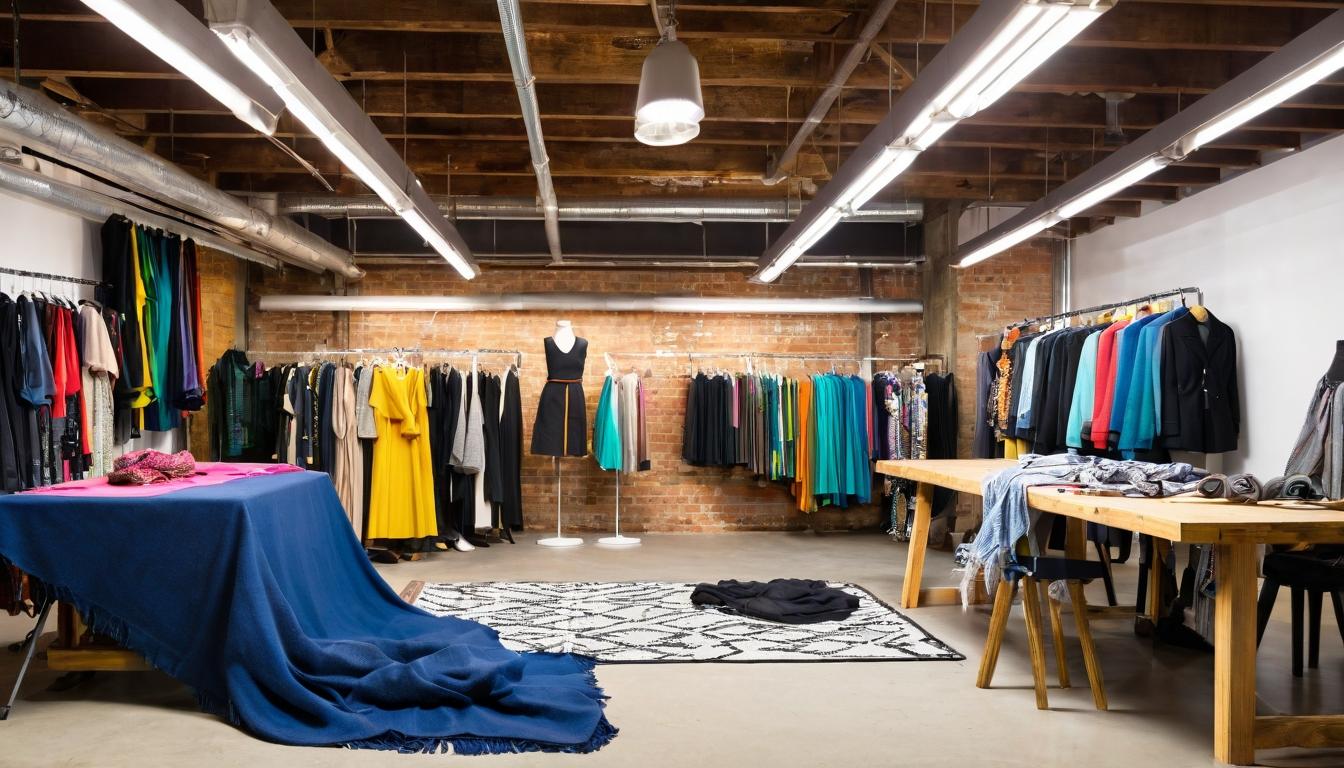
In the glossy pages of Vogue and Elle, sustainability often appears as a neatly packaged trend—organic cotton totes, recycled polyester dresses, and celebrity endorsements for eco-conscious brands. But wander through the digital corridors of Fashionista or The Cut, and you'll find whispers of something deeper, more radical, and far less polished. This isn't about swapping one fabric for another; it's a fundamental reimagining of what fashion means in an age of climate crisis and cultural reckoning. The real story isn't in the headlines—it's in the basements, studios, and online communities where a new generation is quietly building an alternative.
For years, the conversation around sustainable fashion has been dominated by corporate pledges and carbon-neutral collections. Harper's Bazaar might spotlight a luxury brand's green initiative, while Refinery29 offers shopping guides for 'conscious consumers.' Yet, beneath this surface, a different movement is taking shape. It's led by designers who reject seasonal calendars, artisans reviving deadstock fabrics, and collectives operating outside traditional retail systems. They're not just making clothes; they're crafting ecosystems where waste is impossible by design.
Take the rise of 'garment hacking' communities, detailed in niche forums and indie publications. These aren't your grandmother's sewing circles. They're digital collectives where users dissect fast-fashion pieces, share patterns for upcycling, and host virtual mending workshops. The goal isn't perfection—it's transformation. A Zara dress becomes a two-piece set; discarded jeans morph into patchwork jackets. This ethos challenges the very notion of disposability, treating clothing as mutable, personal, and endlessly renewable. It's fashion as a verb, not a noun.
Meanwhile, material innovation is escaping the lab and hitting the streets. While mainstream outlets cover mushroom leather and algae-based dyes, smaller platforms reveal experiments with stranger, more local solutions. Think fish-scale sequins from coastal communities, pineapple fiber woven in Filipino villages, or biodegradable glitter brewed in Brooklyn apartments. These aren't just sustainable alternatives; they're cultural statements, embedding stories and places into the fabric itself. The result is clothing that doesn't just look good—it speaks.
Perhaps the most provocative shift is the rejection of 'newness' as a virtue. The Cut has chronicled the rise of 'anti-haul' videos and wardrobe audits, where influencers urge followers to buy nothing. On social media, hashtags like #WearItAgain and #OldButGold celebrate repetition over novelty. This isn't about austerity; it's about curation. It's the joy of a coat that lasts a decade, or a dress that evolves with its wearer. In a world obsessed with the next big thing, these acts feel quietly revolutionary.
Yet, this underground faces steep challenges. Without the marketing budgets of major brands, many initiatives remain invisible. Artisans struggle with scaling, while DIY cultures battle cultural appropriation. And as sustainability becomes a buzzword, there's risk of co-option—where radical ideas are diluted into marketable trends. The question isn't just whether these alternatives exist, but whether they can survive the glare of the mainstream.
What emerges is a fashion landscape at a crossroads. On one side, the polished world of magazine spreads and runway shows; on the other, a messy, vibrant, and deeply human reclamation of what we wear and why. This isn't a story of heroes and villains, but of tension and possibility. It's about recognizing that the future of fashion might not be found in a boardroom or a boutique, but in a hacker's studio or a mender's hands. And that, perhaps, is the most stylish rebellion of all.
The quiet rebellion: How fashion's underground is rewriting the rules of sustainability