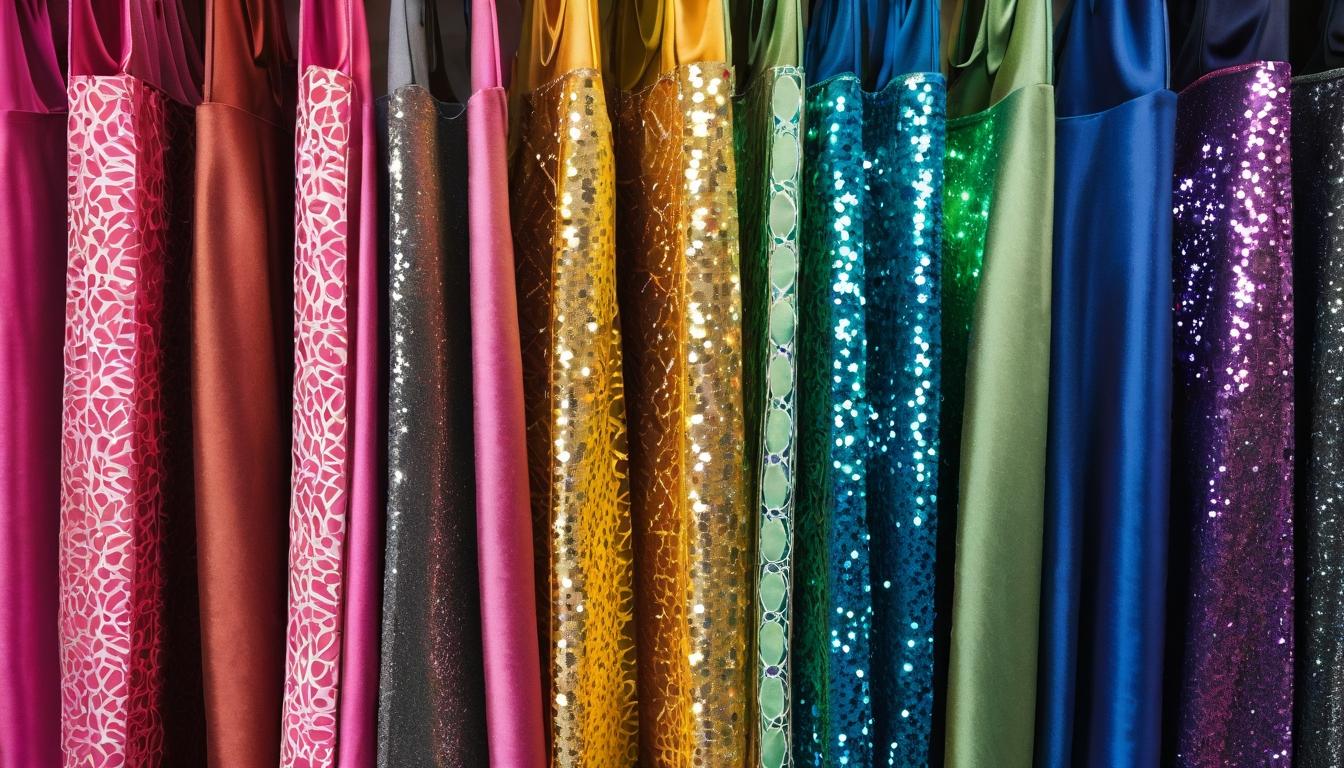
In the glittering world of fashion weeks and glossy magazine spreads, a different story is unfolding backstage—one that doesn't make the front page but is quietly reshaping the entire industry. While headlines celebrate new designers and record-breaking sales, a movement is growing among the people who actually make the clothes: pattern cutters, seamstresses, textile artisans, and factory workers. These aren't the names you'll see in bold on runway playbills, but they're the ones holding needles and scissors, translating sketches into wearable reality. And after decades of being treated as interchangeable parts in a fast-fashion machine, they're organizing, speaking up, and demanding recognition as creative collaborators rather than anonymous labor.
What's fascinating isn't just that these workers are unionizing—though that's happening from Los Angeles to Milan—but how they're leveraging their specialized knowledge to reclaim power. A master pattern cutter in New York recently explained how she can tell which high-end brand produced a garment just by examining the seam finishes, a skill developed over twenty years that no algorithm can replicate. These artisans are building digital portfolios of their work, creating Instagram accounts that showcase their technical prowess, and refusing to sign the non-disclosure agreements that once silenced them. The result? A new transparency where consumers can finally connect the $3,000 dress with the hands that constructed it.
This shift coincides with growing consumer curiosity about provenance. The same shoppers who once cared only about the label on the outside are now asking who drafted the pattern, who selected the thread weight, who performed the meticulous hand-stitching. Luxury brands that built their mystique on European ateliers are finding that customers want names, not just nationalities. In response, some forward-thinking houses have begun including technician credits alongside designer credits—a small change that acknowledges fashion as a collective art form rather than a solo genius endeavor.
Meanwhile, the technology that threatened to automate these skilled jobs is being repurposed as their amplifier. Digital pattern-making software isn't replacing master cutters; it's allowing them to preserve and share techniques that were once guarded secrets. 3D sampling isn't eliminating sample makers; it's giving them tools to experiment without wasting precious materials. The most interesting development comes from worker-led platforms where artisans across continents share solutions to technical challenges—a global guild rebuilding the mentorship systems that fast fashion dismantled.
Perhaps most surprisingly, this quiet revolution is changing what gets made. When technicians have a voice in the design process, impractical runway fantasies get tempered with wearability. That stunning dress that photographed beautifully but tore after one wearing? The sample maker now feels empowered to suggest a stronger seam. The breathtaking coat that required fifteen minutes to fasten? The pattern cutter can propose a hidden closure that maintains the silhouette. The result is clothing that doesn't just look good in editorials but functions in real life—a radical concept in an industry obsessed with the momentary perfect image.
This isn't about eliminating creative vision but about recognizing that fashion at its best has always been a conversation between imagination and execution. The most celebrated designers in history—from Madame Grès to Cristóbal Balenciaga—were masters of technique themselves, people who understood fabric not just as a canvas but as a collaborator. Today's movement seeks to restore that balance, not through nostalgia but through structural change: fair contracts, shared credit, and decision-making power for the experts who know how ideas become objects you can actually wear.
The implications ripple beyond ethics into aesthetics. When makers have stability and respect, they invest time in perfecting details that fast fashion races past: the precise alignment of stripes at the shoulder seam, the invisible reinforcement at stress points, the subtle curve of a collar that follows the neck's natural movement. These aren't just 'quality' improvements—they're the difference between clothing that performs a function and clothing that feels like part of your body. In an era of disposable trends, this attention to lasting craftsmanship becomes its own form of rebellion.
What emerges is a new map of the fashion landscape, one where value isn't measured solely by brand prestige or celebrity endorsement but by the visible trace of human care. The invisible is becoming visible, not as a marketing story but as a fundamental reordering of who gets to shape what we wear. And in that visibility lies something more powerful than any trend: the possibility of an industry where creativity isn't extracted from some and credited to others, but built together, stitch by deliberate stitch.
The quiet rebellion: how fashion's invisible workers are rewriting the rules