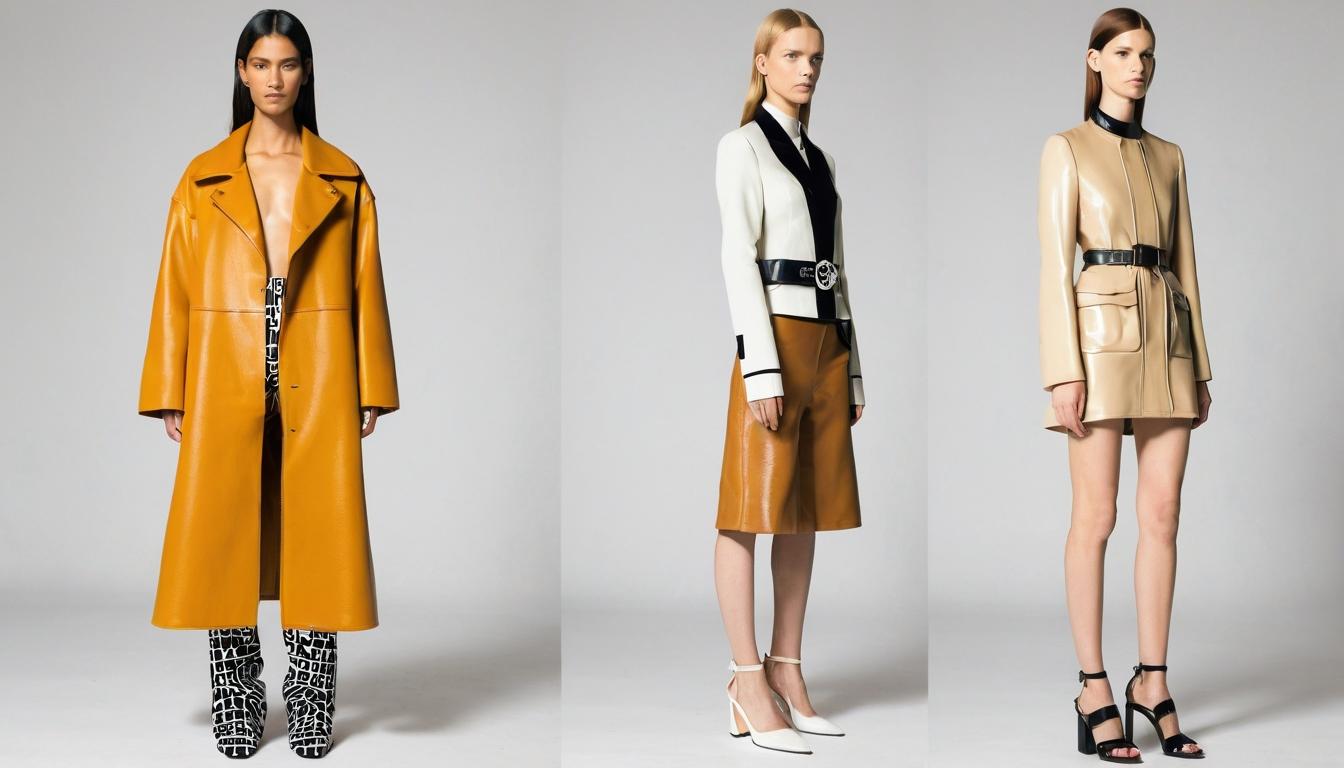
If you've scrolled through fashion content recently, you might have noticed something peculiar. The same trends appear everywhere—the same puff sleeves, the same baggy jeans, the same color palettes. But behind this apparent uniformity, a quiet rebellion is brewing. It's not happening on runways or in glossy magazine spreads. It's happening in the digital backrooms where algorithms decide what we see, in the supply chains where materials are sourced, and in the small studios where designers are quietly subverting the system.
Walk into any fast-fashion retailer, and you'll find racks of nearly identical garments. This isn't coincidence—it's the result of sophisticated trend-forecasting algorithms that analyze billions of data points from social media, search queries, and sales figures. These digital oracles predict what will sell months before consumers even know they want it. The result? A homogenization of style that makes Tokyo, New York, and London streetwear look eerily similar. Yet within this data-driven landscape, niche communities on platforms like TikTok and Instagram are creating micro-trends that bubble up from the ground, challenging top-down fashion dictates.
Meanwhile, the materials that clothe us are undergoing a silent transformation. Visit a textile lab in Milan or a fabric mill in Japan, and you'll find scientists and artisans developing materials that sound like science fiction. Mushroom leather that breathes like skin but requires no animal farming. Spider silk proteins grown from fermented yeast. Fabrics that change color with body temperature or clean themselves when exposed to sunlight. These innovations aren't just about sustainability—they're about reimagining what clothing can do, creating garments that interact with our bodies and environments in ways cotton and polyester never could.
Perhaps the most significant shift is happening where you'd least expect it: in the business models that have dominated fashion for decades. Direct-to-consumer brands once promised revolution but often delivered more of the same. Now, a new wave of companies is experimenting with radical transparency, showing exactly how much each worker is paid at every stage of production. Others are implementing circular models where customers return garments to be disassembled and remade into new pieces. These aren't just marketing gimmicks—they're fundamental challenges to fashion's traditional secrecy and wastefulness.
The most compelling stories, however, come from the designers working outside the spotlight. In a Brooklyn studio no bigger than a walk-in closet, a former architect creates garments that transform based on how they're folded and fastened. In Seoul, a collective of artists produces clothing that tells stories through embedded NFC chips that reveal narratives when scanned with a phone. These creators aren't chasing viral moments or influencer endorsements—they're building small but passionate communities around clothing that means something beyond aesthetics.
What emerges from these disparate threads is a portrait of an industry at a crossroads. The old gates—fashion weeks, magazine editors, luxury conglomerates—still stand, but they're no longer the only paths to relevance. The real action is happening in the spaces between: between digital and physical, between global and local, between mass production and personal expression. This isn't the death of fashion as we know it, but rather its fragmentation into countless parallel universes, each with its own rules, aesthetics, and values.
The next time you get dressed, consider that your choices ripple through this complex ecosystem. That simple cotton t-shirt connects you to water-intensive farming in India, algorithmic trend predictions in Silicon Valley, and perhaps a small designer's radical vision in Lisbon. Fashion has always been about more than looking good—it's about power, identity, and culture. Today, those stakes are higher than ever, playing out not just on red carpets but in data centers, laboratories, and neighborhood studios where the future of what we wear is being quietly rewritten.
The quiet rebellion: how fashion's invisible hands are reshaping what we wear