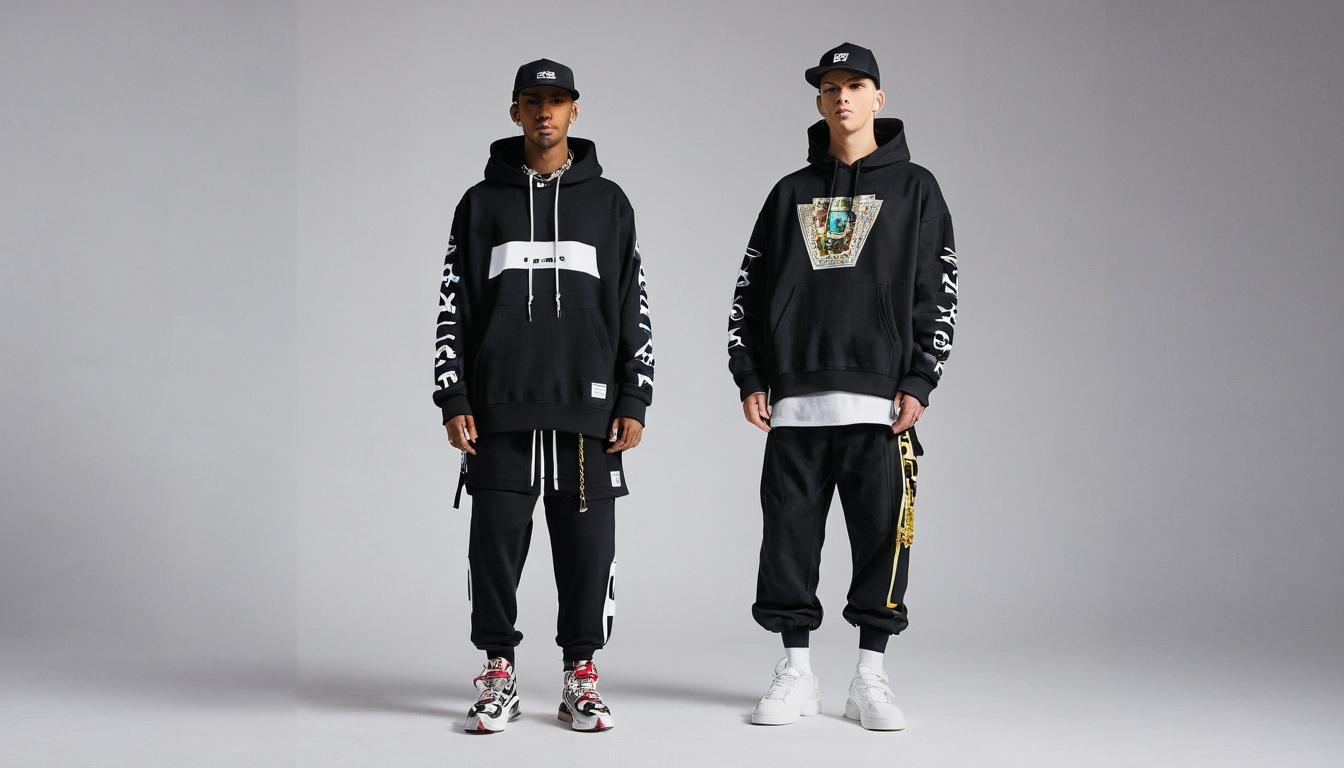
Walk down any major city street today and you'll witness a silent revolution unfolding in plain sight. It's not in the polished windows of luxury boutiques or the curated displays of department stores, but in the layered hoodies, oversized silhouettes, and beat-up sneakers that have become the uniform of a generation. This isn't just clothing—it's a cultural manifesto, and its soundtrack is hip-hop's relentless beat.
For decades, fashion operated on a strict hierarchy. Designers created, magazines curated, and consumers purchased. The gatekeepers were clear: editors in ivory towers, buyers with exclusive access, and celebrities who could make or break a trend overnight. But somewhere between the rise of street photography blogs and the explosion of social media platforms, the walls came tumbling down. Suddenly, a kid from Brooklyn wearing a custom-painted jacket could garner more attention than a front-row attendee at Fashion Week.
What's fascinating isn't just that streetwear has gone mainstream—it's how completely it has inverted the traditional fashion ecosystem. Where once trends trickled down from runways to retailers, they now bubble up from underground scenes, independent designers, and music subcultures. The most coveted items aren't necessarily the most expensive, but those with the most authentic stories. A limited-edition sneaker collaboration between a rapper and a skate brand can sell out in minutes, while traditional luxury houses scramble to understand the alchemy.
This shift is intimately tied to music, particularly hip-hop's evolution from counterculture to cultural dominant. Rappers have long been fashion icons, but their influence has transformed from endorsement to creation. Artists aren't just wearing brands—they're building them, collaborating with designers, and dictating aesthetics. When a track drops, it doesn't just come with a music video; it arrives with a fully realized visual language that includes clothing, accessories, and attitude. The merch table has become as important as the merchandise, with tour collections often selling out before tickets do.
Meanwhile, the traditional fashion calendar looks increasingly anachronistic. Why wait six months for a collection when you can drop a capsule collection tied to an album release? Why adhere to seasonal colors when your audience spans hemispheres connected by digital networks? The immediacy of music creation—writing, recording, releasing—has infected fashion with a new urgency. Limited drops, surprise releases, and digital exclusives have created a perpetual hype cycle that keeps audiences engaged year-round.
But beneath the hype lies something more profound: a redefinition of value itself. In streetwear and hip-hop culture, authenticity isn't a marketing buzzword—it's currency. A garment's worth isn't determined solely by materials or craftsmanship, but by its cultural resonance. Who wore it first? What song mentions it? Which community claims it? This has created fascinating paradoxes: $30 graphic tees reselling for hundreds, worn sneakers becoming more valuable than pristine ones, and obscure references carrying more weight than obvious luxury logos.
This cultural alchemy has forced traditional fashion institutions to adapt or risk irrelevance. Luxury houses now hire streetwear designers, collaborate with musicians on collections, and adopt drop culture strategies. Fashion magazines feature rappers on their covers and document underground scenes they once ignored. The boundaries between 'high fashion' and 'street fashion' have not just blurred—they've been rendered largely meaningless to a generation that values context over category.
Yet for all its mainstream success, the heart of this movement remains defiantly underground. It's in the independent brands operating out of garages, the DIY customization communities on social media, and the local scenes that incubate sounds and styles before they reach global audiences. The internet hasn't homogenized style—it's allowed micro-communities to flourish and connect, creating a global network of local trends.
What emerges is a new fashion landscape that's more democratic, more dynamic, and more deeply integrated with other art forms than ever before. The runway show has been joined by the music video, the lookbook by the Instagram story, the fashion critic by the fan forum. In this world, the most powerful trendsetters might not sit in editorial offices, but in recording studios, skate parks, and digital spaces where culture is created in real time.
As we look ahead, the question isn't whether this fusion will continue, but how it will evolve. Will sustainability concerns reshape streetwear's obsession with newness? How will virtual fashion and digital collectibles intersect with physical garments? What new musical genres will birth their own aesthetic revolutions? One thing is certain: the conversation between fashion and music has become a symphony, and everyone's invited to the orchestra—even if they're wearing beat-up sneakers.
The underground symphony: how streetwear and hip-hop are rewriting fashion's rules