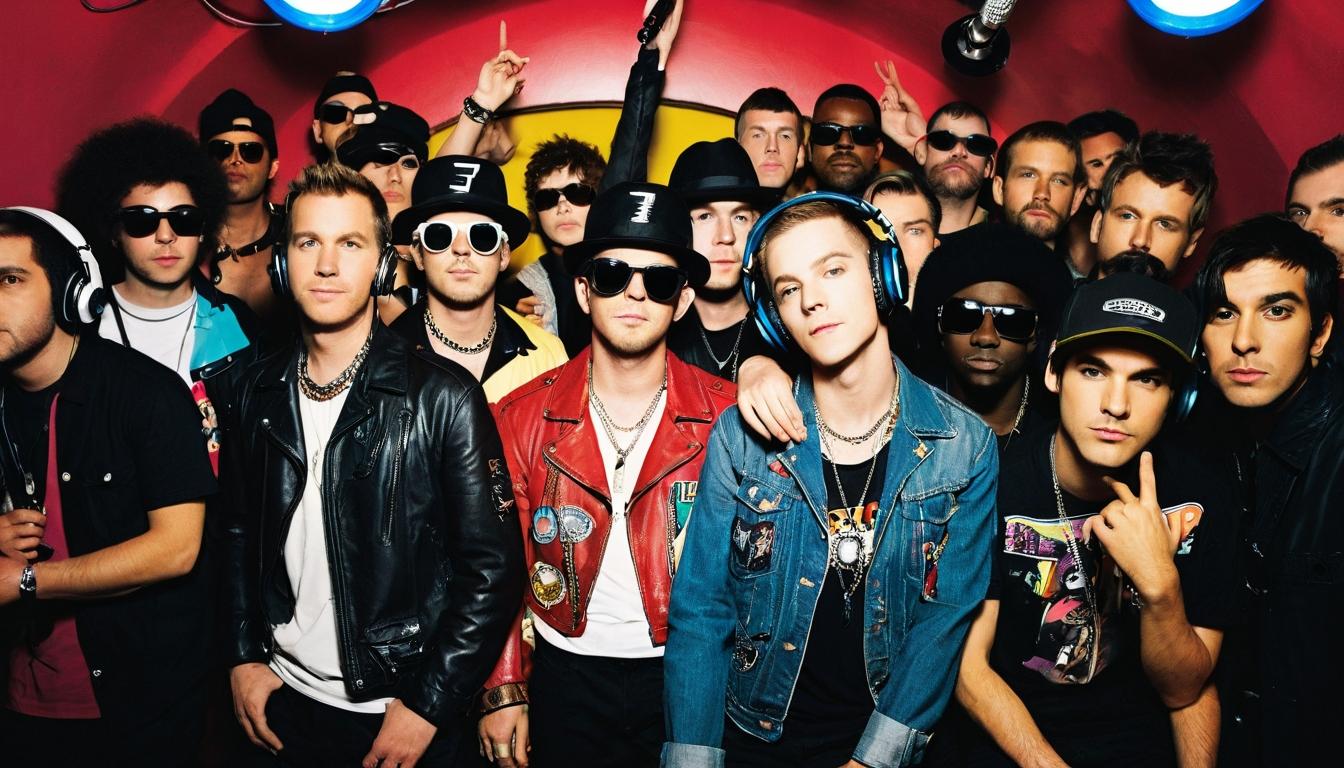
In the dimly lit corners of underground clubs from Berlin to Seoul, a sonic revolution is brewing that's about to explode onto fashion runways. While mainstream collaborations between luxury houses and pop stars dominate headlines, a more authentic movement is forming in the shadows—where emerging music genres are dictating style codes before they ever reach commercial radar.
Forget what you heard about hip-hop's influence on streetwear—that's yesterday's news. The real story is how hyperpop's glitchy, chaotic energy is manifesting in deconstructed tailoring and intentionally "broken" silhouettes. Designers like Ottolinger and GmbH aren't just referencing the sound; they're collaborating directly with producers like A.G. Cook and SOPHIE's legacy artists to create collections that feel like wearable sound waves. The result? Garments that look digitally corrupted, with seams that appear to glitch and fabrics that shimmer like corrupted MP3 files.
Meanwhile, across the Atlantic, the UK's drill scene is evolving beyond tracksuits and puffer jackets. The genre's gritty, minimalist aesthetic is being reinterpreted through high-fashion lenses at London Fashion Week, where designers are pairing sharp, architectural cuts with the scene's signature menacing energy. It's not appropriation—it's conversation. Artists like Central Cee are now sitting front row, their personal style influencing collections in real-time rather than being referenced retroactively.
But perhaps the most fascinating development is happening where you'd least expect it: in country music's unlikely fashion renaissance. Nashville's new guard—artists like Orville Peck and Lil Nas X—are blending Western wear with queer aesthetics, creating a style rebellion that's as much about identity politics as it is about fringe jackets. Luxury brands are taking notice, with Gucci and Balenciaga incorporating cowboy motifs that feel less like costume and more like cultural reclamation.
What makes this moment different from previous music-fashion crossovers? The internet has collapsed the timeline. A SoundCloud rap track uploaded today can inspire a designer's sketch tomorrow, with the resulting garment appearing on TikTok before it ever hits a runway. This instantaneous feedback loop has created a new creative ecosystem where musicians are becoming stylists, designers are becoming curators, and the audience is becoming collaborator.
Yet beneath the surface of these exciting collaborations lies a tension the industry hasn't fully acknowledged. As fashion mines underground scenes for "authenticity," what happens to the communities that created these sounds? The gentrification of subcultures isn't just a neighborhood phenomenon—it's happening in creative spaces, where niche genres are stripped of context and sold as aesthetic. The most forward-thinking collaborations aren't just taking inspiration; they're ensuring original creators lead the conversation and benefit financially.
This brings us to the most radical development of all: musicians bypassing fashion houses entirely. Artists like Blood Orange's Dev Hynes and Yves Tumor aren't just influencing fashion—they're designing it, creating capsule collections that feel like direct extensions of their musical personas. These aren't celebrity vanity projects but genuine creative expressions that blur the line between performer and designer, between album and lookbook.
The future isn't in stadium tours with luxury sponsorships. It's in the basement venues where the music is too new to have a name and the fashion is too raw to be commodified. As we move toward 2024, watch for genre-less music creating style-less fashion—not as absence of style, but as freedom from categorization. The most exciting looks won't come from Paris or Milan but from the laptops and home studios of musicians who understand that in the digital age, your sound and your style are the same statement.
What's emerging is nothing less than a new creative paradigm where the distinction between musician and designer, between album and collection, between concert and fashion show, is dissolving. The revolution won't be televised—it'll be streamed, worn, and remixed.
The underground soundtracks shaping fashion's next rebellion