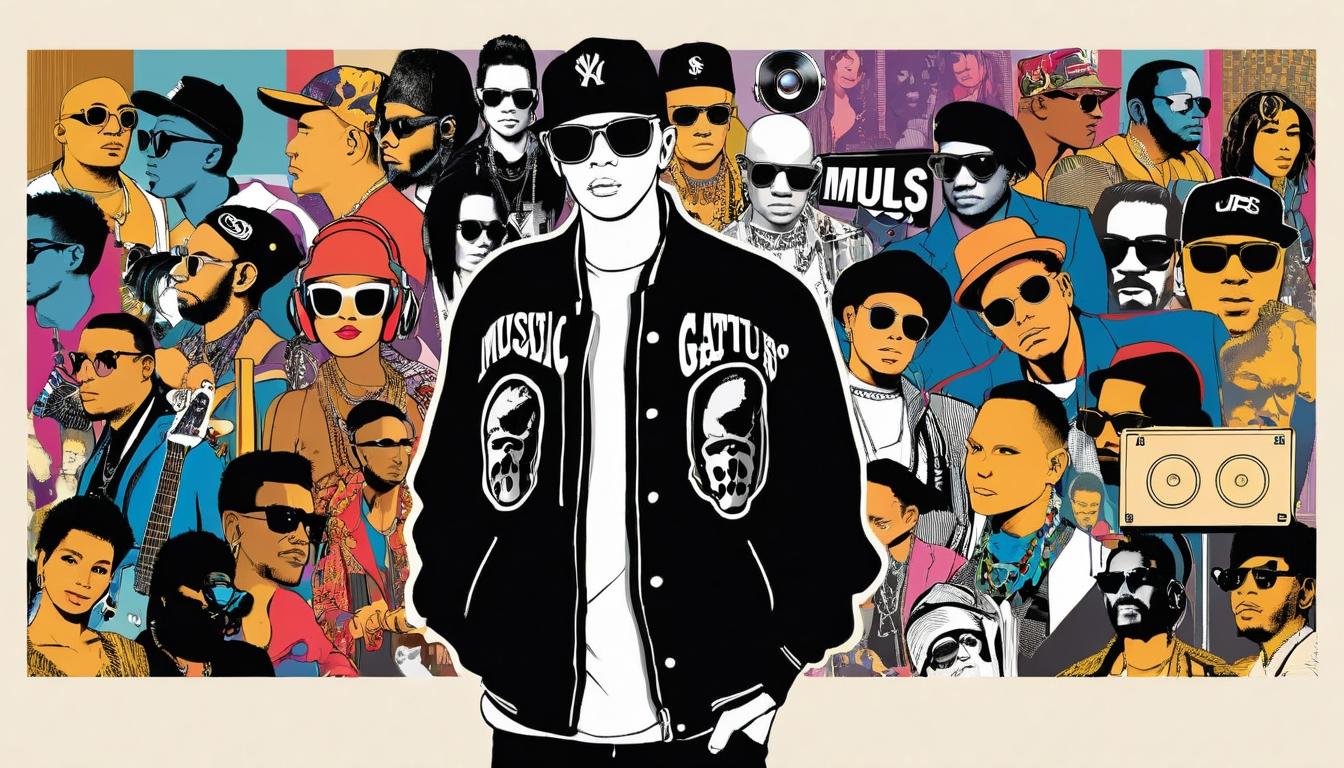
In the dimly lit backrooms of underground clubs and the chaotic energy of festival grounds, a quiet revolution is stitching itself into the very fabric of contemporary fashion. This isn't about runway trends trickling down to the masses—it's about sound waves manifesting as textile choices, bass lines dictating silhouettes, and musical subcultures becoming the new ateliers of style innovation. The relationship between music and fashion has always been symbiotic, but we're witnessing something more profound: a complete dissolution of boundaries where genres don't just inspire collections, they become them.
Walk through any major city's creative district and you'll see it—the resurgence of 90s rave culture in neon-accented techwear, the grunge revival filtered through TikTok's hyper-specific aesthetics, the way reggaeton's global dominance has made Latin streetwear a billion-dollar industry. These aren't mere coincidences of timing; they're evidence of music scenes operating as decentralized design houses, with artists as creative directors and fans as both models and marketing departments. The algorithm hasn't killed subculture—it's given it infinite replication capabilities while somehow maintaining its underground credibility.
What's particularly fascinating is how this phenomenon bypasses traditional fashion gatekeepers entirely. While luxury houses scramble to collaborate with musicians (often with mixed results), the real innovation happens far from corporate boardrooms. It emerges in the DIY patches on a punk fan's jacket, the specific way a drill music enthusiast ties their sneakers, the jewelry choices of hyperpop devotees that look like they were designed by alien AI. These micro-trends spread through SoundCloud links and Instagram stories faster than any fashion week presentation could hope to achieve, creating what industry analysts are calling 'sonic-to-style pipelines.'
The data tells its own compelling story. Billboard's charts now predict color trends; Spotify Wrapped influences seasonal palettes more than Pantone's Color of the Year. Complex's sneaker coverage increasingly reads like music journalism, analyzing which artists are wearing unreleased prototypes as carefully as they review albums. Hypebeast's most engaged content sits precisely at this intersection—where a photo of Playboi Carti in Margiela generates more cultural capital than the brand's official campaign. This isn't celebrity endorsement; it's cultural symbiosis where the musician's aesthetic becomes inseparable from their sound.
Perhaps most revolutionary is how this dynamic has democratized fashion authority. Where once Vogue editors dictated what was 'in,' now that power resides with producers like Metro Boomin (whose signature hoodie became a uniform) and collectives like A.G. Club (who design their own merchandise as primary creative output). Dazed Digital captures this shift perfectly in their coverage of music collectives that function as full-service creative agencies—making music, designing clothes, directing videos, all as interconnected expressions of a single vision.
Yet for all its underground origins, this sonic-fashion fusion is reshaping commerce at the highest levels. Luxury brands now hire 'subculture consultants' to decode emerging music scenes. Fashionista reports that major labels have started fashion divisions, recognizing that merchandise revenue often surpasses streaming income. The traditional fashion calendar looks increasingly antiquated next to this always-on, globally synchronized style evolution driven by album drops and viral moments.
What emerges from this convergence is something genuinely new: fashion as lived experience rather than seasonal prescription. The clothes don't just reference music; they feel like physical manifestations of specific songs, moods, and movements. A jacket isn't just a jacket—it's the embodiment of a three-minute track that changed someone's life, worn like armor against a world that doesn't understand the reference. This is fashion with memory, with emotional resonance, with community encoded in every stitch.
As we move forward, the most successful brands won't be those chasing musical collaborations, but those learning to listen—to hear the sartorial possibilities in a chord progression, to recognize that the next great silhouette might be born not in Milan but in a Memphis rap video. The future of fashion sounds different than we expected. It's less about seeing and more about hearing what comes next, then wearing that sound into being.
The sonic fabric: How music subcultures are reshaping fashion's future