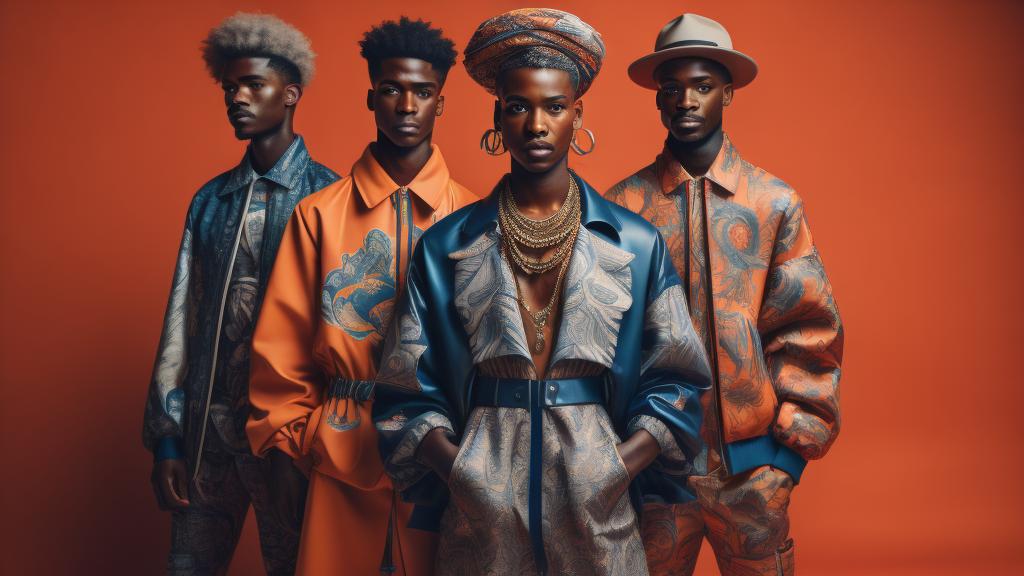
When fashion and music collide, the result is a cultural explosion that transcends boundaries. Over the years, the dynamic interplay between these two spheres has created a vibrant subculture rooted in individuality, expression, and creativity. Artists today are not just musicians; they are fashion icons who wield significant influence over what is worn on the streets. This phenomenon is particularly evident in the world of streetwear, where styles are constantly evolving under the influence of pop culture's biggest names.
One might trace the origins of this trend to the 1980s when hip-hop artists began to wear branded athletic wear, thereby elevating it from mere functional clothing to a fashion statement. Fast forward to the 21st century, this symbiotic relationship has only deepened. Kanye West's Yeezy line, Rihanna's Fenty, and Pharrell's collaborations with Adidas have all set new paradigms in the fashion industry. By seamlessly blending music and style, these artists create innovative trends that resonate with young, fashion-conscious audiences.
The uniqueness of artist-influenced streetwear lies in its inextricable ties to identity and culture. Musicians bring their own backgrounds and personal stories into their fashion lines, making each piece more than just clothing but a canvas for self-expression. Take, for example, Tyler, The Creator's GOLF le FLEUR* line. Its whimsical designs and vibrant colors reflect Tyler's playful yet complex persona, allowing fans to feel a closer connection to his art through fashion.
Moreover, social media platforms have amplified this marriage between fashion and music. Instagram, TikTok, and Twitter serve as digital runways where artists can directly showcase their sartorial choices to millions of followers. These platforms also democratize influence, enabling emerging artists to have a say in fashion trends. Independent musicians with unique styles are gaining traction, and their impact can be seen as more brands look to collaborate with these rising stars rather than mainstream celebrities.
The phenomenon isn't confined to American artists either. K-pop stars like BTS and BLACKPINK are global trendsetters, known for their impeccable style both on and off the stage. Collaborations between K-pop idols and fashion brands such as BLACKPINK's Lisa with Celine and Jisoo with Dior signal a shift towards more inclusive and diverse representations in fashion. This globalization of music and fashion trends signifies that the influence of artists on streetwear is a universal narrative.
Yet, the intersection of fashion and music isn't just about commerce; it's also about community. Events like Coachella, Afropunk, and Rolling Loud serve as cultural melting pots where music and fashion enthusiasts come together to celebrate their shared passions. These festivals are as much fashion shows as they are musical performances, providing fertile ground for new trends to emerge. Similarly, music videos often serve as fashion statements—from Madonna's iconic ‘Like a Virgin’ dress to Ariana Grande’s futuristic looks in ‘Rain on Me’—shaping public perception and tastes.
Of course, this close relationship between fashion and music does have its criticisms. The commercialization and commodification of both spheres can lead to a loss of authenticity. Some argue that artist-branded clothing can sometimes feel like a mere extension of merchandise rather than genuine fashion innovation. However, the ongoing collaborations, pop-up shops, and fashion lines initiated by artists attest to a deeper, more meaningful convergence.
In conclusion, the intersection of fashion and music is a powerful force that continues to shape contemporary streetwear. The symbiosis allows for a constant flow of inspiration and creativity, pushing the boundaries of both industries. Whether through social media, festival culture, or direct collaborations, artists are increasingly becoming pivotal fashion influencers. What they wear, endorse, and create not only makes headlines but also finds its way into wardrobes around the world.
As we move forward, the integration of augmented reality (AR) and virtual reality (VR) in fashion shows, along with the increasing role of AI influencers, suggests that the relationship between fashion and music will continue to evolve in intriguing ways. One thing is certain: the cultural narrative being written by this interplay is far from over, and it promises to keep us fascinated in the years to come.
The Intersection of Fashion and Music: How Artists are Influencing Streetwear