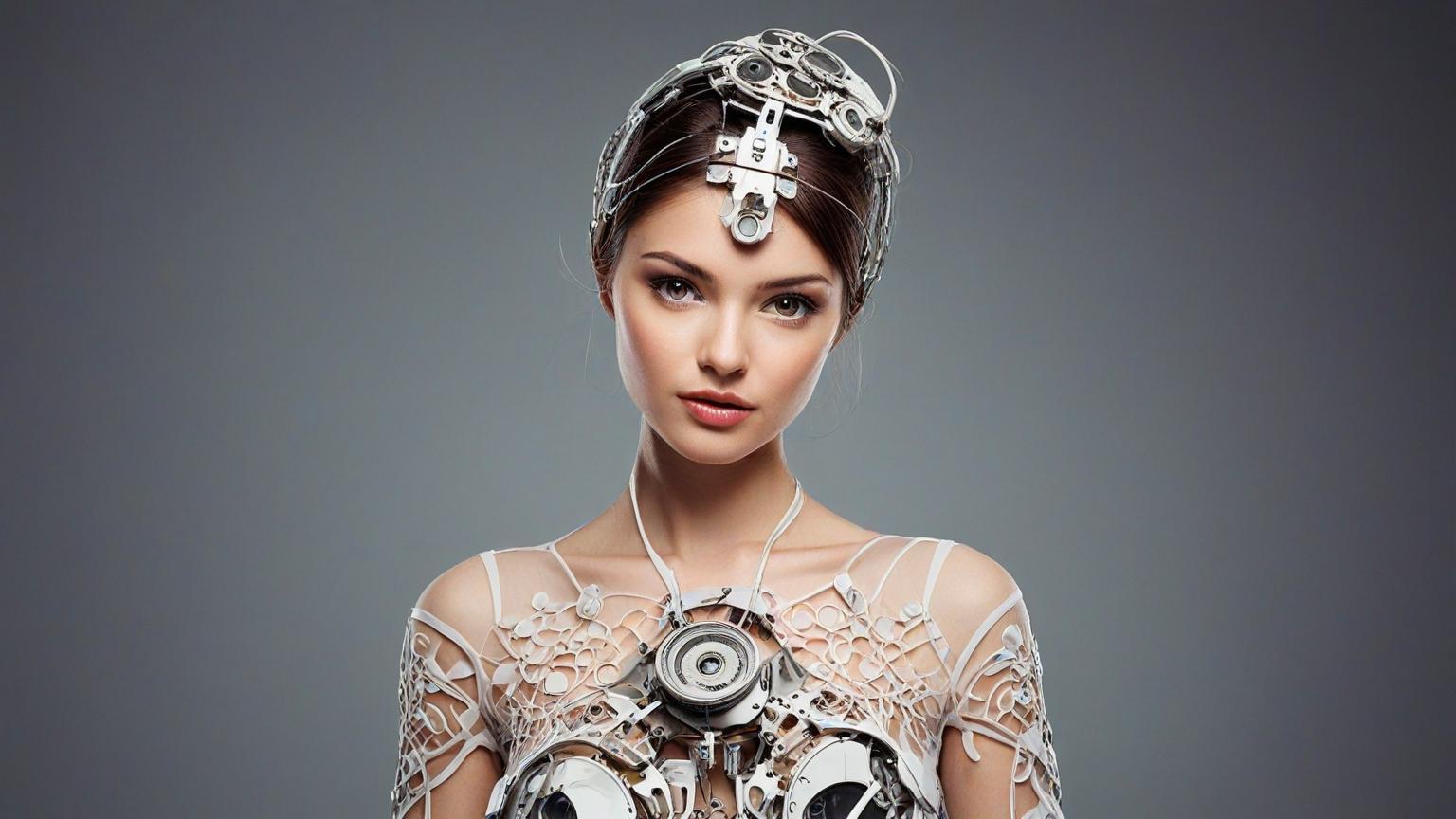
In recent years, the fashion industry has been on the brink of a technological revolution that promises to reshape the way we perceive style and creativity. At the heart of this transformation is artificial intelligence (AI), a force that's intertwining with fashion to bring an era of unprecedented innovation and change.
Gone are the days when AI was solely associated with robotic automation and data analysis. Today, it's crafting the next wave of fashion evolution, from designing clothes to predicting trends, transforming the very core of the industry. As the digital age pushes the boundaries, AI is not only enhancing the efficiency of fashion operations but also redefining aesthetics.
**Revolutionizing Design and Creativity**
Imagine a world where your wardrobe is tailored not just to your size but to your mood, taste, and even daily activities. AI in fashion design is not just a futuristic concept but an emerging reality. Brands are increasingly employing algorithms to create designs that are as functional as they are stylish. By analyzing consumer preferences, past trends, and cultural influences, AI-driven tools like Generative Adversarial Networks (GANs) can generate unique patterns and prints that were previously unimaginable.
Moreover, AI allows designers to push their creative boundaries, sparking ideas with data-driven insights. It provides a platform for personalization at scale, allowing consumers to engage with fashion in an interactive and highly customized manner. This combination of creativity and technology is rewriting the rules of what’s possible in fashion design.
**Sustainability and Ethical Production**
AI is also at the forefront of addressing one of the fashion industry's most pressing challenges: sustainability. With fast fashion contributing significantly to environmental degradation, AI-powered solutions are being developed to curtail waste and promote sustainable production practices.
From optimizing supply chains to improving inventory management, AI helps brands minimize overproduction—a key culprit in fashion's environmental footprint. Additionally, AI-driven predictive analytics can assist in gauging future trends, aiding companies in producing what consumers will actually buy, thereby reducing excess stock and waste.
In ethical production, AI can ensure transparency by tracking materials from their origin to the final product, enabling consumers to make more informed choices. With these technological advancements, fashion giants and burgeoning brands are stepping closer to creating a more sustainable ecosystem.
**Marketing and Personalization**
In the digital marketplace, personalized experiences are key. AI enhances marketing efforts by providing brands with the tools to understand consumer behavior deeply and individually. This level of insight not only directs marketing strategies but allows for hyper-personalized content delivery.
Virtual shopping assistants, AI chatbots, and augmented reality fitting rooms are carving out new shopping experiences that blend seamlessly with customers’ lifestyles. Imagine a digital boutique that knows your style preferences or a virtual assistant who can suggest outfit combinations based on the weather and your wardrobe. This transformation is setting new standards for consumer interaction and engagement.
**Fashion Goes Virtual**
The advent of virtual fashion shows and digital collections is a testament to how AI is enabling fashion to transcend physical boundaries. As the recent pandemic prompted closures and canceled events, the industry turned to digital showcases powered by AI, enabling fashion houses to reach global audiences effortlessly.
Whether it's digital fabrics that react in real-time or virtual avatars wearing an influencer's face, AI is pushing fashion into a realm once reserved for science fiction. Virtual and augmented reality technologies are also playing a significant role in creating immersive shopping experiences, allowing consumers to try on digital versions of clothes without leaving their homes.
**Challenges and the Future**
While AI in fashion promises vast opportunities, it also presents challenges that the industry must address. There are concerns about privacy and the ethical use of consumer data. Additionally, the mechanization of creative processes raises discussions about the loss of the human touch in fashion creation. Balancing innovation with these challenges will be crucial as AI continues to unfold its potential.
As we look to the future, the symbiosis between fashion and AI appears inevitable and exciting. It offers an evolution where technology and tradition blend to forge a fashion world that’s not only more cutting-edge but also more inclusive, sustainable, and engaging.
In a world where change is the only constant, AI stands to turn the pages on a new chapter in fashion’s ever-evolving story.
The intersection of fashion and AI: How technology is reshaping the runway