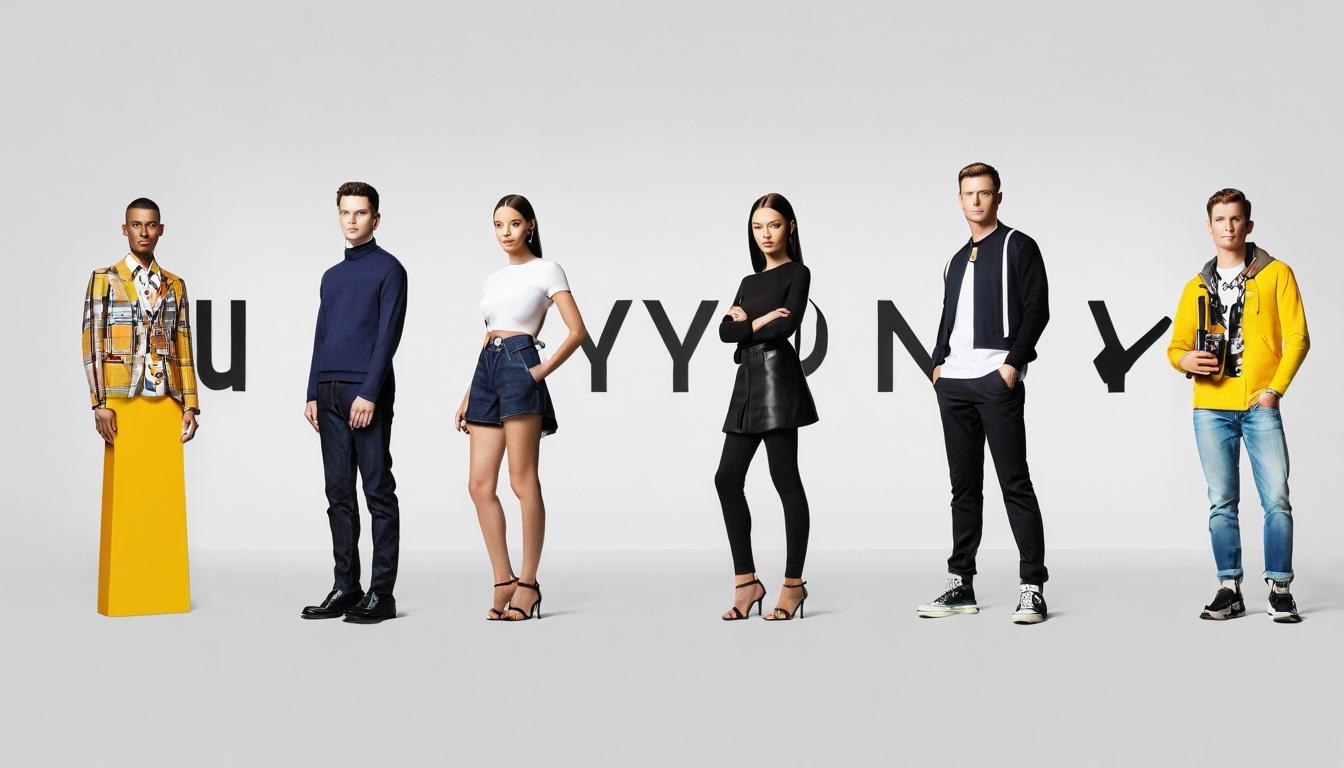
In the backrooms of a converted warehouse in downtown Los Angeles, a designer stitches LED filaments into a denim jacket while a producer tweaks a bassline on a laptop. They aren't collaborating on a project—they're working independently, yet their creations will debut on the same stage next month. This isn't coincidence. It's evidence of a cultural convergence so subtle most consumers miss it, yet so powerful it's reshaping entire industries.
For decades, fashion and music operated in parallel lanes, occasionally intersecting for celebrity endorsements or tour merchandise. Today, that relationship has evolved into something more symbiotic and subversive. Look beyond the obvious collaborations—the luxury brand soundtracks and musician clothing lines—and you'll find something more interesting: shared creative DNA. The same algorithmic patterns that determine Spotify's Discover Weekly playlists now influence color palettes in Milan. The DIY ethos of SoundCloud rappers has migrated to fashion collectives in Brooklyn, where limited-run garments drop with the same scarcity tactics as exclusive vinyl releases.
This convergence manifests in unexpected places. Consider the resurgence of archival fashion—vintage band tees selling for thousands, obscure 90s runway pieces being resurrected. This mirrors music's own nostalgia economy, where vinyl records and cassette tapes have become both collectible objects and streaming alternatives. Both industries are mining their pasts not just for inspiration, but for authenticity in an increasingly digital world. The tactile experience of flipping through a record crate now parallels the ritual of visiting a curated vintage store—both offer curated discovery algorithms made human.
Technology acts as the invisible conductor of this symphony. Social media platforms, particularly TikTok and Instagram, have collapsed the distance between runway and recording studio. A fashion trend can emerge from a viral dance challenge; a song can blow up because it's soundtracking outfit videos. This has created new power dynamics where micro-influencers with dedicated followings sometimes wield more cultural influence than established magazines or radio stations. The result is a democratization—and fragmentation—of taste that challenges traditional gatekeepers in both fields.
Perhaps most telling is the shared language developing between these worlds. Fashion critics now talk about collections having 'rhythm' and 'tempo,' while music reviewers describe albums as having 'texture' and 'silhouette.' This isn't just metaphorical flourish—it reflects genuine cross-pollination of creative processes. Producers are thinking in visual terms about their soundscapes; designers are considering the auditory experience of their shows and stores. The boundaries aren't just blurring—they're being deliberately dismantled by a new generation of creators who grew up consuming both mediums simultaneously.
This convergence raises provocative questions about cultural ownership and authenticity. When a fashion brand samples a musical aesthetic or a musician adopts a sartorial movement, who owns the resulting hybrid? The answer increasingly seems to be: the audience. In an era of remix culture, consumers actively participate in shaping these intersections through their interpretations and mashups online. The most successful collaborations aren't those imposed from above by marketing departments, but those that emerge organically from shared subcultures.
What emerges from this investigation isn't a simple story of industries collaborating for profit. It's something more profound: parallel creative revolutions happening in lockstep, each amplifying the other's innovations. The quiet revolution happening in those downtown LA warehouses and similar spaces worldwide suggests we're witnessing not just a trend, but a fundamental reconfiguration of how culture gets made and consumed. The future won't belong to fashion or music separately, but to the spaces where they become indistinguishable.
The hidden symphony: how fashion and music are quietly rewriting the rules of culture