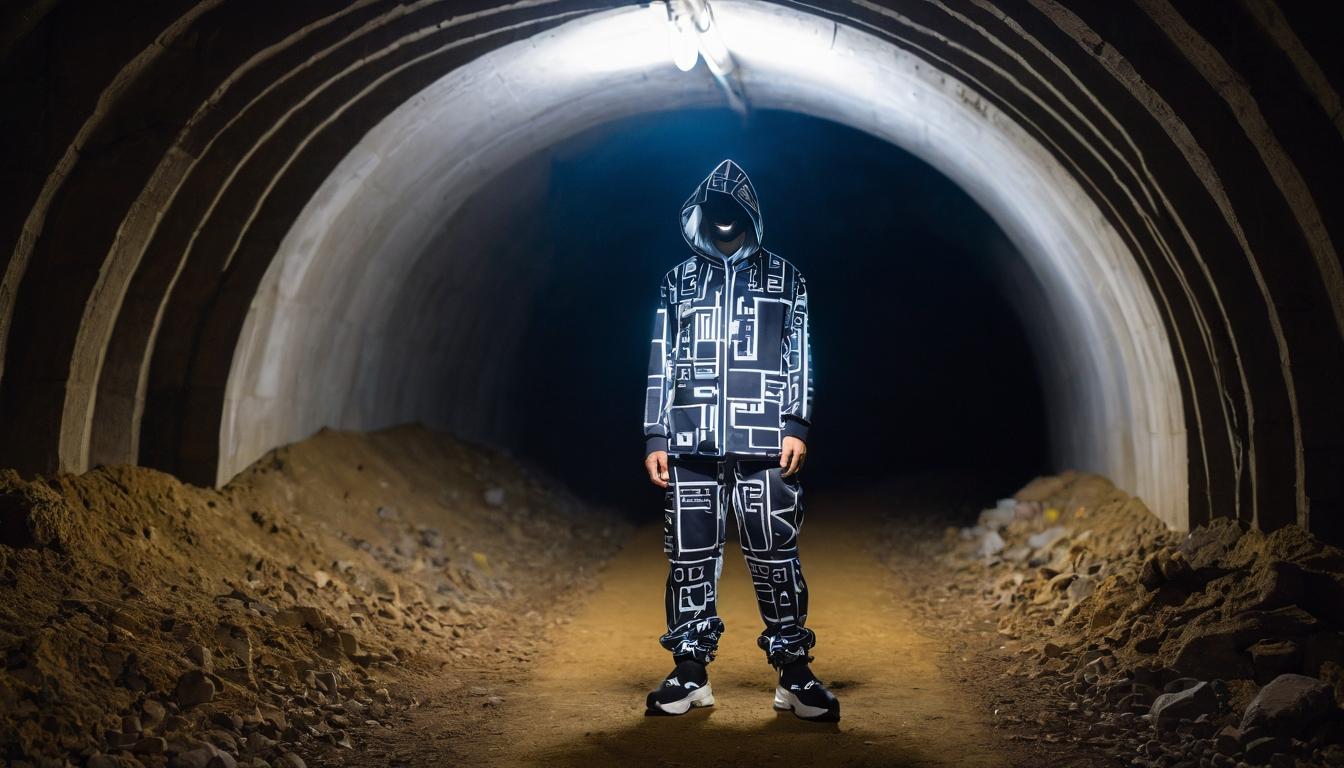
In the dimly lit basements of Berlin, the warehouse parties of Detroit, and the DIY venues of East London, a quiet revolution is unfolding. While mainstream fashion cycles through predictable trends, a more authentic transformation is brewing where concrete floors meet pounding basslines. This isn't about runway shows or celebrity endorsements—it's about the organic, often messy intersection where underground music cultures are quietly dictating what we'll all be wearing next season.
Walk into any underground techno event from Brooklyn to Bangkok right now, and you'll notice something peculiar. The uniform isn't the flashy logos or designer pieces dominating social media feeds, but something more utilitarian, more personal. Technical fabrics, modular clothing, and functional accessories have become the unofficial uniform. This isn't accidental—when you're dancing for eight hours straight, functionality becomes fashion. Brands like A-Cold-Wall* and GmbH have built entire aesthetics around this intersection, but the real innovation is happening at street level, where attendees customize workwear, military surplus, and sportswear into something entirely new.
Meanwhile, in the experimental electronic scenes of Los Angeles and Tokyo, a different aesthetic is emerging. Here, texture and distortion reign supreme. Clothing appears weathered, deconstructed, digitally manipulated—mirroring the glitchy soundscapes filling the rooms. Designers like Rick Owens have long tapped into this dark, architectural aesthetic, but now smaller labels are pushing further, creating pieces that feel like wearable manifestations of specific subgenres. The rise of 'deconstructed tailoring' in these scenes directly correlates with the popularity of broken beat and ambient techno—both rejecting traditional structures in favor of something more fluid, more personal.
Perhaps most fascinating is how regional scenes are creating distinct fashion dialects. Drill music's London origins brought with it a specific uniform of puffer jackets and tracksuits that has now been reinterpreted globally. But in Chicago's footwork scene, you'll find vibrant colors and bold patterns that reflect the music's energetic complexity. In Seoul's indie rock venues, there's a return to vintage band tees and thrifted pieces that speak to both nostalgia and sustainability. Each scene develops its visual language as organically as its sound, creating micro-trends that eventually filter upward.
What makes this moment particularly potent is technology's role as both disruptor and unifier. Social media platforms like TikTok and Instagram have created strange feedback loops where a fashion trend from a small Lisbon club night can appear in Los Angeles within days. Yet simultaneously, the most interesting developments are happening offline—in spaces where phones are discouraged and experiences are ephemeral. This creates a tension between instant global dissemination and protected local authenticity that's defining fashion's current evolution.
The business implications are equally compelling. While luxury houses continue to chase streetwear's fading dominance, independent designers are building sustainable businesses by serving these niche communities directly. They're creating limited runs for specific scenes, collaborating with local DJs and producers, and building brands that feel like natural extensions of the culture rather than corporate appropriations. This represents a fundamental shift from top-down trend dictation to bottom-up cultural emergence.
At its core, this phenomenon represents fashion's return to its most essential purpose: creating identity and community. In an age of algorithmic recommendations and mass production, these underground intersections offer something increasingly rare—authentic self-expression rooted in shared experience. The clothing becomes not just what you wear, but where you've been, what you've heard, who you've danced beside until sunrise.
As fashion continues to grapple with questions of sustainability, authenticity, and relevance, perhaps the answers aren't in boardrooms or fashion weeks, but in those sweaty, vibrant spaces where music and clothing become indistinguishable. The next major trend won't be announced with a press release—it'll be discovered in the crowd, moving in unison to a beat that hasn't yet reached the mainstream.
The hidden symbiosis: How underground music scenes are reshaping fashion's next wave