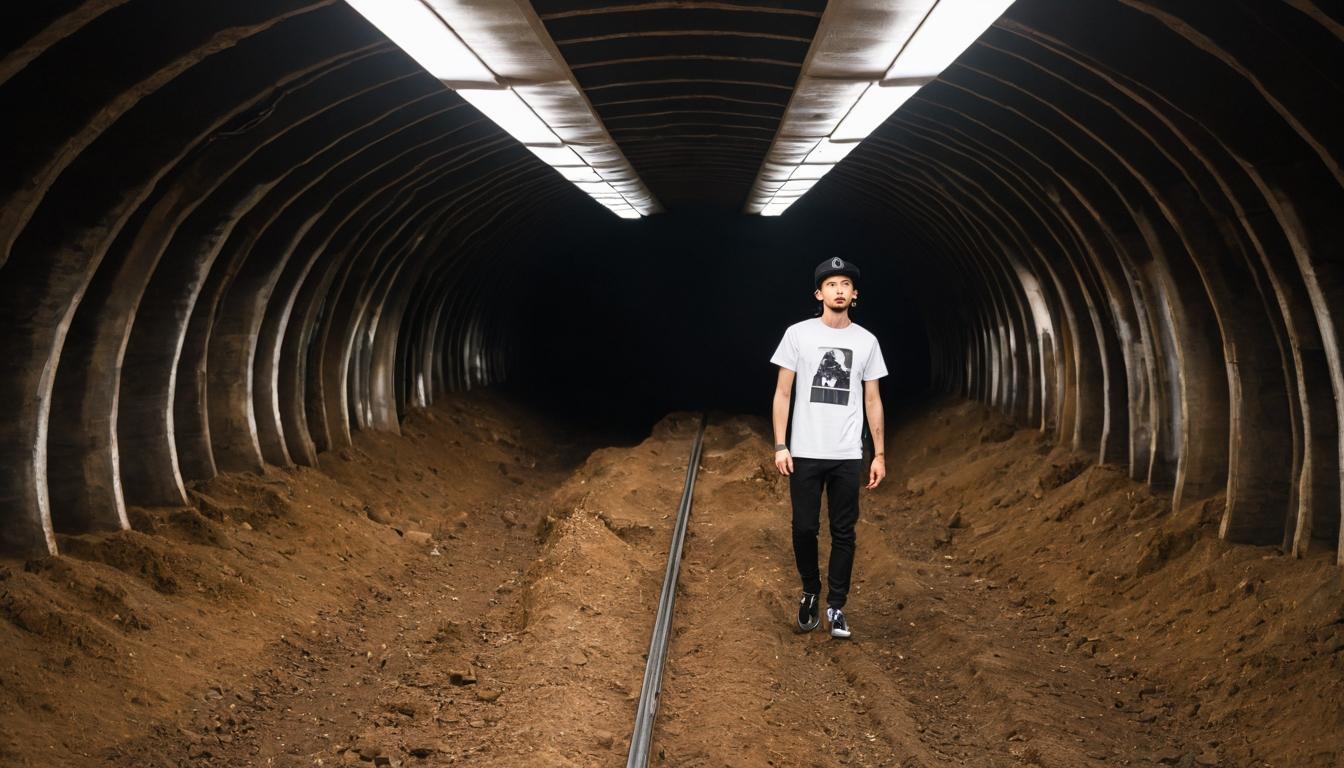
In the dimly lit backrooms of Berlin's techno temples and the graffiti-covered warehouses of Detroit, a quiet revolution is brewing. It's not just about the music anymore—it's about what you wear while the bass shakes your ribcage. While mainstream fashion cycles through predictable trends, a symbiotic relationship between underground music scenes and avant-garde designers is creating something far more interesting: a sustainable, community-driven alternative to fast fashion's relentless churn.
Walk into any underground club from London to Tokyo, and you'll notice something peculiar. The most compelling outfits aren't from luxury boutiques but from local designers trading pieces for guest list spots. These aren't mere transactions—they're the lifeblood of a new creative economy. In Brooklyn's DIY venues, emerging designers test prototypes on dancers, gathering real-time feedback while musicians score their runway presentations. This isn't collaboration; it's co-evolution.
What makes this movement particularly fascinating is its complete disregard for traditional fashion calendars. While Milan and Paris dictate seasonal collections, underground scenes operate on circadian rhythms of creativity. A Detroit ghetto-tech producer might inspire a limited capsule collection within weeks, with pieces distributed exclusively at after-parties. This immediacy creates what sociologists call 'temporal fashion'—clothing that captures specific moments in subcultural history, impossible to mass-produce or properly archive.
Perhaps most surprisingly, these scenes are solving fashion's sustainability crisis through radical sharing economies. In Lisbon's underground community, a 'garment library' lets members borrow statement pieces for events, reducing waste while fostering collective ownership. Berlin's queer techno collective has developed a modular clothing system where pieces can be reconfigured for different events—a far cry from the single-wear culture plaguing mainstream fashion.
The data tells a compelling story. While traditional fashion media reports declining engagement, platforms tracking underground scenes show 300% growth in fashion-related content. TikTok algorithms are accidentally becoming ethnographers, connecting drill music aesthetics with emerging designers in Johannesburg's townships before any fashion editor catches wind. This isn't just trend forecasting—it's cultural seismography.
What emerges from this investigation is clear: The future of fashion isn't on runways but in basements. It's in the sweaty exchange between a producer tweaking synths and a designer adjusting seams. As major brands scramble to appear 'authentic,' the real innovation happens where no one's watching—or rather, where everyone is dancing. The revolution won't be televised, but you might catch glimpses of it in the strobe-lit corners of your city's least legal venue, worn by someone who understands that true style isn't bought—it's lived.
The hidden symbiosis: How underground music scenes are reshaping fashion's future