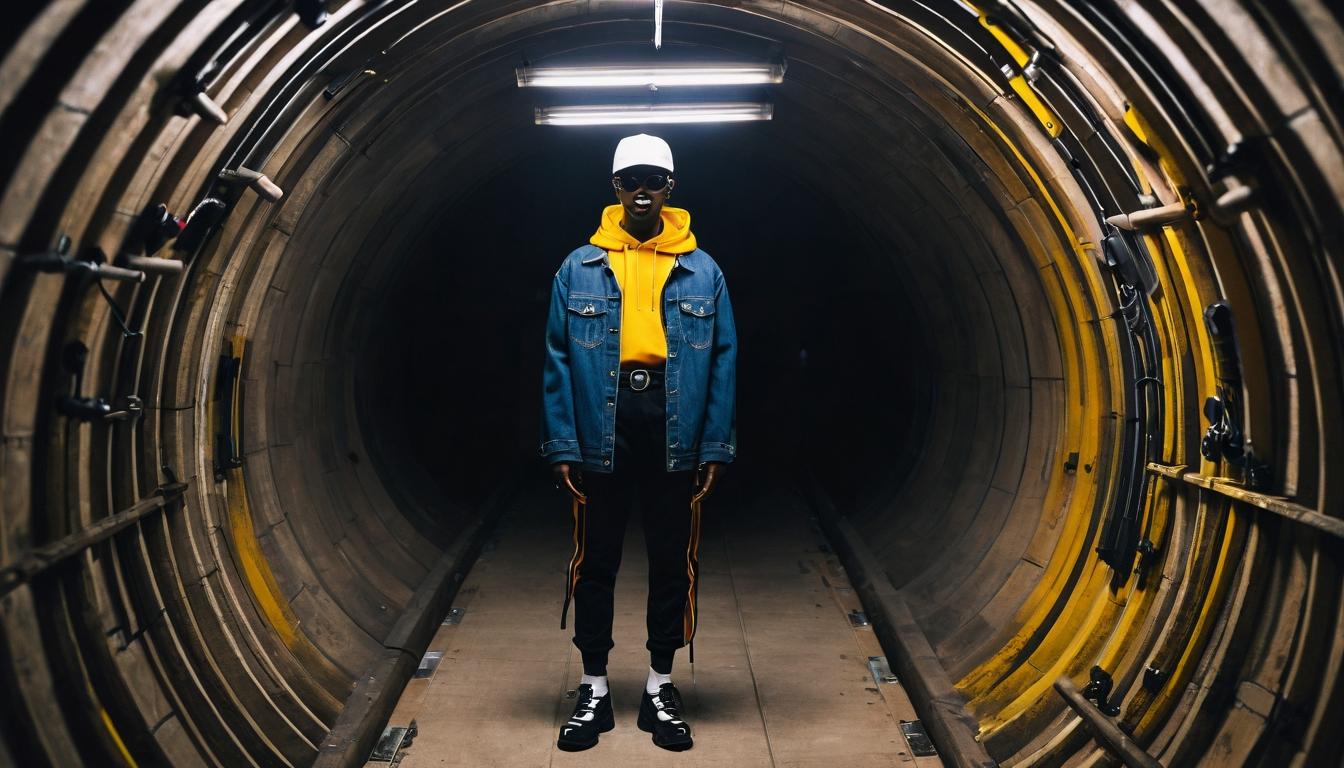
In the dim glow of a Brooklyn warehouse, the bass vibrates through concrete floors and up into the soles of sneakers that haven't yet hit mainstream shelves. This isn't just a party—it's a laboratory. Here, where experimental electronic music meets avant-garde fashion, a cultural alchemy is occurring that major retailers won't notice for another eighteen months. The connection between what we hear and what we wear has always existed, but today's relationship is more intimate, more immediate, and more subversive than ever before.
While fashion weeks dominate headlines with their orchestrated spectacles, the real style revolutions are happening in basements and DIY venues where music isn't background noise but the architect of aesthetic movements. Underground musicians have become the unlikeliest of trendsetters, their stage outfits evolving into blueprints for streetwear collections months before luxury brands catch the scent. The phenomenon reveals an uncomfortable truth about contemporary culture: fashion has stopped leading and started following the sonic underground.
Take the recent explosion of gabber-influenced apparel in Tokyo's Harajuku district. The hardcore electronic genre, born in 1990s Rotterdam warehouses, has resurfaced with a visual language all its own—think track pants modified with asymmetrical zippers, neon-accented technical wear, and DIY patches referencing obscure European rave collectives. This isn't nostalgia; it's cultural cross-pollination happening at internet speed, with TikTok stitches connecting Japanese fashion students to Dutch sound systems in real-time.
Meanwhile, in South London's drill scene, a different sartorial story unfolds. The music's gritty realism has birthed a fashion ethos that prioritizes authenticity over aspiration. We're seeing a move away from conspicuous luxury logos toward subtle, locally-made pieces that signal community allegiance rather than financial status. It's a quiet rebellion against fashion's obsession with visibility, proving that sometimes the most powerful style statements are the ones that don't scream for attention.
What's particularly fascinating is how these musical micro-scenes are bypassing traditional fashion gatekeepers entirely. Young designers are skipping fashion school presentations to debut collections at album release parties. Fabric choices are being influenced by what feels right during a four-hour DJ set rather than what looks good in a showroom. The result is clothing designed for movement, for sweat, for actual human bodies rather than mannequins.
This seismic shift raises provocative questions about fashion's future direction. If the most innovative style ideas are emerging from spaces where music comes first, what happens to the traditional fashion calendar? To seasonal collections? To the very concept of 'taste' as dictated by editors in ivory towers? The answers might be found in the most unlikely places—like the mosh pit of a hyperpop show where gender-fluid fashion is being reinvented in real-time, or the line outside a limited-editive vinyl pop-up where attendees have become walking mood boards for music-inspired aesthetics.
Perhaps most significantly, this fusion represents a democratization of style creation. When a niche musician's stage outfit goes viral, it's not because a stylist curated it for maximum Instagram impact—it's because it resonates with a subculture's authentic expression. This organic development creates fashion with roots, with context, with stories that can't be manufactured by marketing departments.
As we move deeper into this era of cross-disciplinary creativity, the most exciting developments won't appear on runway schedules or in glossy magazine spreads. They'll emerge from the underground, carried on bass frequencies and translated into fabric by those who understand that what we wear should move to the same rhythm as what we feel. The future of fashion isn't being sketched in design studios—it's being lived in venues where the music hasn't yet found its way to streaming algorithms, worn by those who understand that true style has always had a soundtrack.
The hidden rhythm of fashion: How music's underground scenes are reshaping what we wear