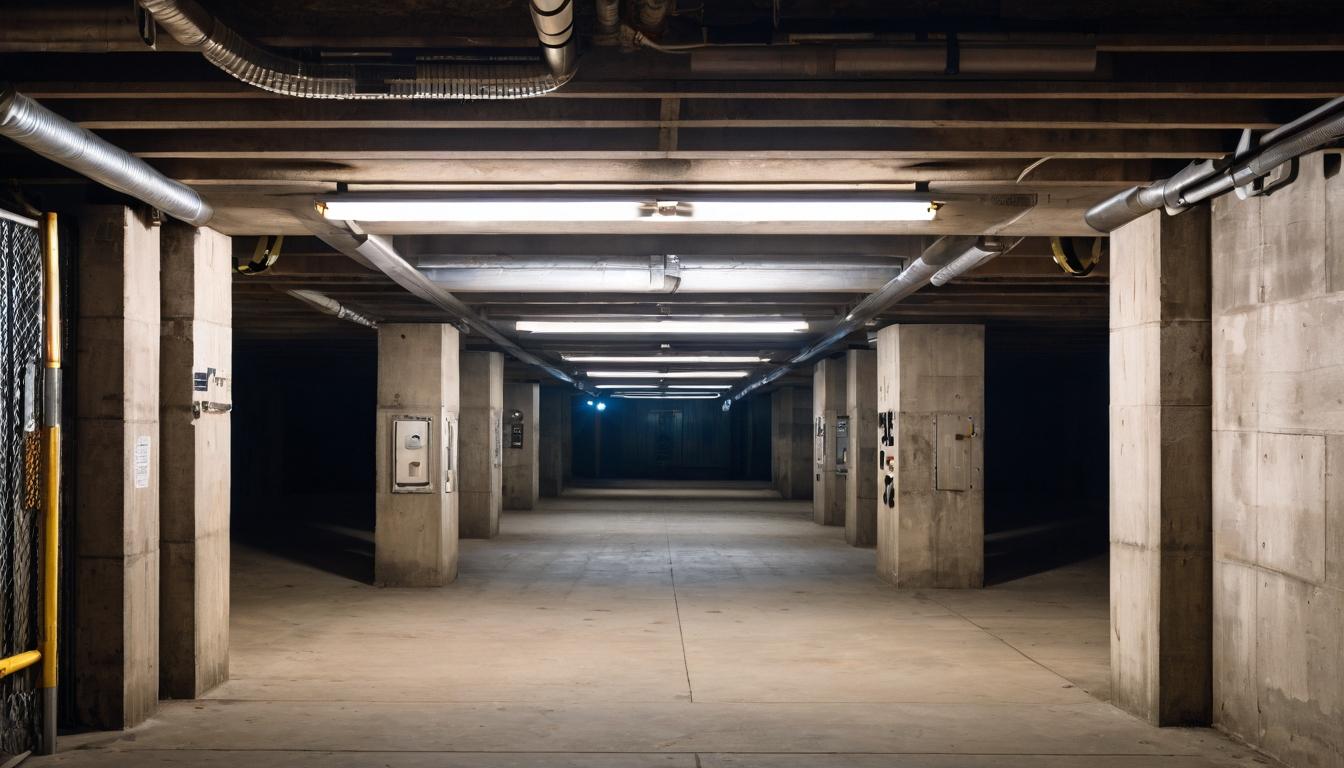
In the dimly lit basements of Berlin, the warehouse parties of Detroit, and the DIY venues of East London, a quiet revolution is unfolding. While mainstream fashion cycles through predictable trends, a parallel universe of style is being forged in the crucible of underground music scenes. This isn't about runway shows or celebrity endorsements—it's about the raw, unfiltered expression emerging from communities where music isn't just entertainment, but a way of life.
Walk into any underground techno event in Berlin's Kreuzberg district, and you'll notice something immediately: the uniform black-on-black aesthetic isn't just practical for late nights, it's a political statement. These aren't clothes purchased from luxury boutiques, but curated from thrift stores, military surplus outlets, and independent designers who operate outside the traditional fashion system. The look communicates belonging while rejecting commercialism—a sartorial middle finger to fast fashion's relentless churn.
Meanwhile, in the drill music scenes of Chicago and London, fashion has become a complex language of survival and aspiration. The puffer jackets, ski masks, and specific sneaker models aren't random choices but coded messages about neighborhood allegiances, economic realities, and artistic identities. This is fashion as armor and autobiography, where every item tells a story that mainstream publications rarely bother to decode.
In Seoul's indie rock circles, a different aesthetic rebellion is taking shape. Young musicians and their followers are resurrecting and remixing styles from Korea's 1990s underground—oversized silhouettes, vintage sportswear, and deliberately "unpolished" looks that reject K-pop's glossy perfection. This isn't nostalgia but a conscious reclamation of cultural identity, using fashion to carve out space between Western influences and commercial K-fashion.
What connects these disparate scenes isn't a particular garment or color palette, but methodology. Underground music communities have become de facto research and development labs for fashion innovation. They're where materials get tested (how does that fabric hold up during a six-hour dance marathon?), where silhouettes get stress-tested (can you stage dive in that outfit?), and where authenticity gets defined away from marketing departments.
The industry is starting to pay attention, but often gets it wrong. When luxury brands appropriate underground aesthetics without understanding their context, the results feel hollow—like sampling a track without knowing its original meaning. The real story isn't about trends trickling up, but about entire value systems colliding. These music scenes prioritize durability over disposability, community over exclusivity, and meaning over marketing.
Perhaps most surprisingly, these underground fashion ecosystems are developing their own sustainable practices long before sustainability became a corporate buzzword. The thrift store economy, clothing swaps at events, and DIY repair culture aren't just economic necessities but philosophical positions. In a world drowning in textile waste, these communities have been quietly practicing circular fashion for decades.
Technology is accelerating this convergence between music and fashion in unexpected ways. Digital collectives are forming across continents, sharing style codes through encrypted messaging apps and niche social platforms. A silhouette born in a Lisbon techno collective might be reinterpreted in Mexico City's experimental music scene within weeks, creating a global underground dialogue that bypasses traditional fashion capitals entirely.
This isn't to romanticize these scenes—they have their own hierarchies, contradictions, and commercial pressures. But they represent something vital: fashion as lived experience rather than imposed ideal. The most interesting style innovations today aren't coming from design studios with mood boards, but from communities where clothing has to perform under specific, often extreme conditions.
As mainstream fashion grapples with its identity crisis—torn between sustainability demands, digital transformation, and relevance-seeking—it might find answers in these unlikely laboratories. The future of style may depend less on what happens during fashion month and more on what gets worn to the afterparty, long after the official events have ended.
What emerges from these intersections is more than just clothing—it's a new framework for understanding how culture gets made. In the friction between music's temporal nature and fashion's materiality, between underground resistance and mainstream appropriation, between local identity and global connection, we're witnessing the birth of something that neither industry could create alone. The beat goes on, and with it, an entire visual language continues to evolve in the shadows.
The hidden rhythm: How underground music scenes are rewriting fashion's rulebook