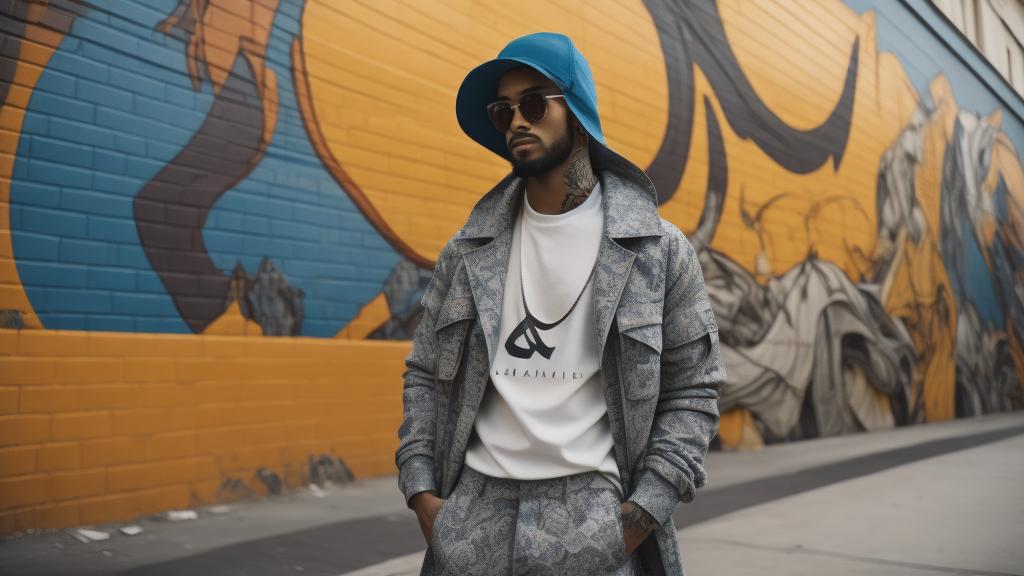
Streetwear has gone from urban subculture to global phenomenon, and its journey is as fascinating as it is complex. Emerging in the late 1970s and early 1980s from the rugged streets of New York City, streetwear epitomized the raw energy and innovation of hip-hop culture. Today, it's more than just a style; it's an unstoppable force in the fashion world, strongly influencing high-end designers and major luxury brands.
The essence of streetwear lies in its rebellious spirit. It was born from a desire to challenge the status quo, and it initially served as a form of expression for marginalized communities. Graffiti artists, skateboarders, and rappers were the original ambassadors of this trend, which quickly spread to other urban centers across the globe. The likes of Shawn Stussy and Supreme founder James Jebbia took the initial concepts and created brands that would eventually become streetwear icons.
The exponential growth of streetwear can be credited to several key factors. One of the most prominent is the collaboration between streetwear brands and high-fashion houses. Louis Vuitton's collaboration with Supreme in 2017 was a watershed moment, showcasing that streetwear had indeed infiltrated haute couture. This iconic partnership was a brilliant marketing move, merging two worlds that seemed previously incompatible.
Celebrity endorsements further fueled the ascent of streetwear. Artists like Kanye West, A$AP Rocky, and Pharrell Williams have become style icons, each with their own fashion lines that marry streetwear aesthetics with luxury elements. These collaborations have blurred the lines between streetwear and high fashion, making it a staple in wardrobes around the world.
Social media has played an equally crucial role in democratizing streetwear. Instagram, TikTok, and Pinterest have become hubs for fashion inspiration, enabling trends to go viral overnight. The online resale market, powered by platforms like StockX and Grailed, has also contributed to the culture, creating a resale ecosystem where streetwear pieces can fetch astronomical prices.
However, the rise of streetwear hasn't been without controversy. Critics argue that its commercialization has diluted its original message. The underground roots of streetwear were all about authenticity and individuality, whereas now, it's become a commodified, global industry. This commercialization has led to debates around issues like cultural appropriation, especially when luxury brands co-opt streetwear styles without acknowledging their origins.
Despite these criticisms, the impact of streetwear is undeniable. It has paved the way for more inclusive and diverse fashion landscapes. Designers like Virgil Abloh of Off-White and Heron Preston have used their platforms to address social issues and promote equality. As streetwear continues to evolve, it retains its core essence of pushing boundaries and challenging norms.
Looking ahead, the future of streetwear seems promising. Sustainable fashion is a growing trend, and streetwear brands are starting to incorporate eco-friendly practices into their production processes. Furthermore, the digital age is ushering in new opportunities for innovation. Virtual fashion shows, digital clothing, and augmented reality experiences are setting the stage for the next chapter in streetwear.
As we reflect on its journey, streetwear serves as a powerful reminder of fashion's transformative power. From its gritty beginnings to its current status as a dominant force in the fashion industry, streetwear has not only shaped how we dress but also how we think about identity and community.
The cultural impact of streetwear: From block parties to haute couture