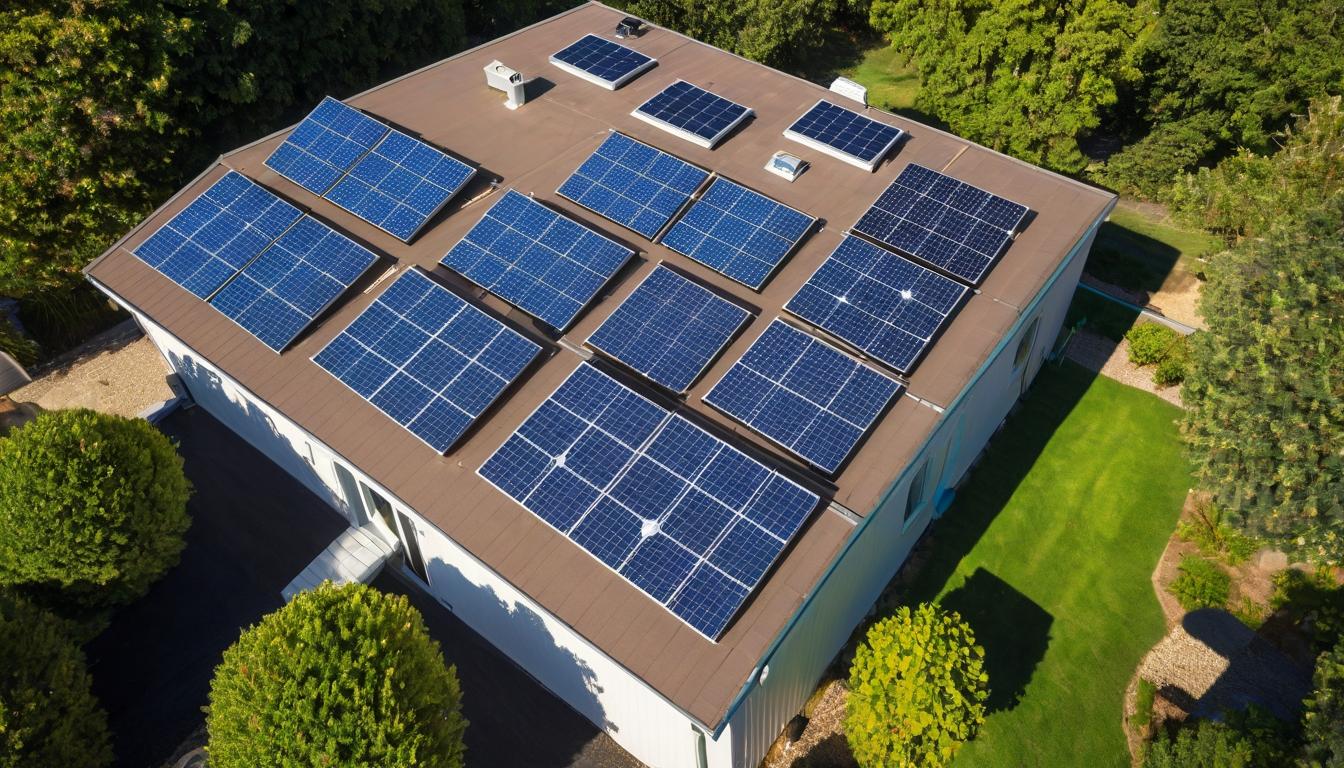
In the quiet neighborhoods of California and the sun-drenched suburbs of Florida, a revolution is unfolding without fanfare. While headlines chase the latest megawatt-scale solar farms and offshore wind announcements, the real transformation is happening at the scale of rooftops, garages, and community centers. Distributed energy resources—the solar panels, batteries, and smart devices scattered across millions of properties—are creating what grid operators are calling 'the invisible grid,' a decentralized network that's challenging century-old utility business models.
Utility executives who once dismissed rooftop solar as a niche concern are now watching with growing unease as these behind-the-meter assets aggregate into virtual power plants capable of responding to grid emergencies. The numbers tell a startling story: in some regions, distributed resources now provide more capacity during peak hours than traditional peaker plants. This isn't just about clean energy—it's about control, revenue streams, and who gets to decide how electrons flow through our communities.
Behind the scenes, a quiet battle is raging over interconnection rules, compensation structures, and technical standards. Utilities argue they need to maintain grid stability and recover infrastructure costs, while DER advocates point to studies showing distributed resources can actually enhance reliability when properly integrated. The regulatory fights happening in state commissions from New York to Hawaii will determine whether this transition benefits all ratepayers or creates new energy haves and have-nots.
What makes this moment particularly fascinating is the convergence of technologies that seemed disconnected just five years ago. Electric vehicles are becoming mobile batteries, smart thermostats are learning to respond to grid signals, and blockchain platforms are enabling peer-to-peer energy trading. The result is an energy ecosystem that looks less like a centralized hub-and-spoke model and more like the internet—distributed, resilient, and increasingly difficult for any single entity to control.
For consumers, this shift presents both opportunities and confusion. The promise of lower bills and energy independence competes with complex rate structures, evolving incentive programs, and a marketplace crowded with installers making competing claims. Navigating this landscape requires a level of energy literacy that most households don't possess, creating an opening for both trusted advisors and predatory actors.
The financial implications are equally profound. Traditional utility stocks, long considered defensive investments, now face questions about their growth prospects as more customers generate their own power. Meanwhile, venture capital is pouring into startups developing everything from community solar platforms to AI-powered energy management systems. The energy sector, once dominated by slow-moving giants, is suddenly attracting tech entrepreneurs who see electricity as the ultimate digital commodity.
Perhaps most importantly, this distributed revolution is changing how communities think about resilience. After hurricanes, wildfires, and winter storms left millions without power in recent years, neighborhoods with solar-plus-storage systems kept their lights on while surrounding areas went dark. This tangible demonstration of local energy independence is fueling demand for microgrids and community energy projects that prioritize reliability over lowest-cost electrons.
As we stand at this inflection point, the question isn't whether distributed energy will continue to grow—the economics and technology trends make that inevitable. The real question is whether our institutions can adapt quickly enough to harness this transformation for public benefit, or whether we'll repeat the pattern of disruptive technologies that initially benefit the wealthy before trickling down to everyone else. The wires on the poles may look the same, but the electricity flowing through them is telling a fundamentally new story about who controls power in America.
The hidden grid: how distributed energy is quietly rewriting utility playbooks