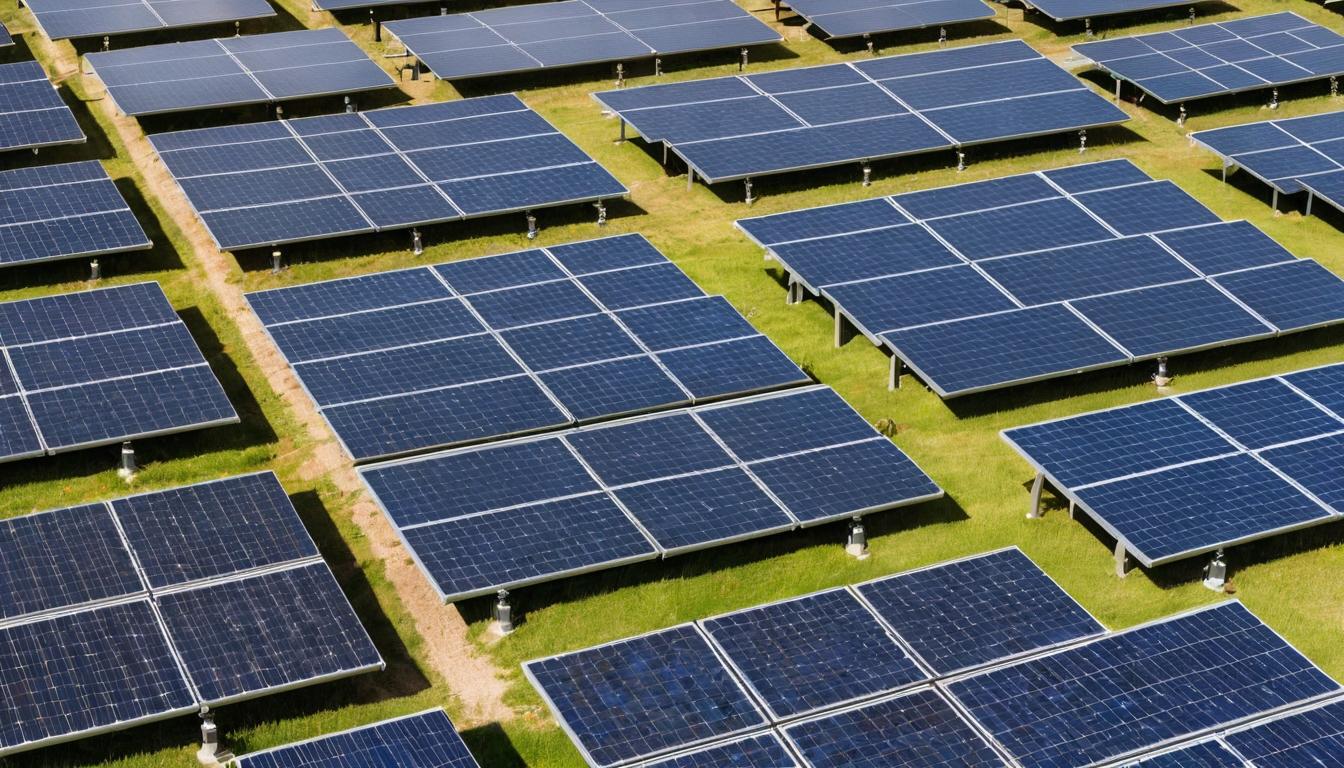
If you think the energy transition is just about solar panels and wind turbines, you're missing the real story unfolding in backrooms and regulatory hearings across the country. While headlines chase shiny new technologies, a quieter revolution is happening where it matters most: in the rules that govern how electricity flows from producer to plug.
Utility commissioners in states from California to Ohio are grappling with questions that would have seemed absurd a decade ago. What happens when your neighbor's rooftop solar system produces more power than their home uses? How do we value a battery that can both charge from the grid and discharge back into it? Who pays for transmission lines that might serve wind farms that don't exist yet? These aren't theoretical exercises—they're real decisions being made right now that will determine whether our grid can handle the coming wave of clean energy.
Meanwhile, in boardrooms from Houston to Chicago, utility executives are facing their own existential questions. The traditional model—build big power plants, string transmission lines, collect guaranteed returns—is showing cracks. Distributed energy resources, from home batteries to community solar, are challenging centralized control. Customers aren't just ratepayers anymore; they're becoming producers, storers, and traders of electricity.
This regulatory scramble creates strange bedfellows. Environmental advocates find themselves arguing for market principles they once distrusted. Free-market conservatives champion grid planning that looks suspiciously like central planning. Utilities that fought rooftop solar a few years ago now offer it themselves. The old ideological lines have blurred into practical questions about reliability, affordability, and fairness.
Nowhere is this tension more visible than in the battle over 'non-wires alternatives.' Instead of automatically building new substations or power lines when demand grows, utilities must now consider whether batteries, demand response, or efficiency could solve the problem cheaper. It sounds sensible until you realize it pits utilities' traditional business model against their customers' interests. The results are telling: in New York, Con Edison avoided a $1 billion substation by investing in local clean energy instead.
But beneath these technical debates lies a more fundamental question: who gets to participate in the energy system? For decades, decisions about electricity were made by engineers and economists behind utility walls. Today, community groups, tech startups, and even individual homeowners are demanding a seat at the table. The outcome will determine whether the energy transition benefits everyone or creates new divides between those who can afford solar-plus-storage and those stuck with rising basic rates.
This regulatory evolution isn't happening in isolation. It's colliding with physical realities—aging infrastructure, extreme weather, cybersecurity threats—that make the grid's transformation both more urgent and more complex. A transformer that took eighteen months to replace before the pandemic now takes three years. A heat wave that would have been manageable a decade ago now threatens rolling blackouts. Every decision about the future must account for a present that's becoming less predictable by the season.
What emerges from this messy process might not look like anyone's ideal vision. It will likely be a patchwork of state approaches, federal nudges, and local innovations. Some communities will embrace microgrids; others will double down on centralized renewables. Some utilities will transform into grid managers; others will fight change until their business model collapses. The only certainty is that the rules written in the next few years will shape our energy system for decades.
So the next time you see another announcement about a giant solar farm or breakthrough battery, look past the technology to the less-sexy but more important question: what rules will let that innovation actually benefit people? The answer is being written right now, in regulatory filings and rate cases that rarely make headlines but will determine whether the energy transition works for everyone or just the fortunate few.
The hidden grid: How America's energy transition is quietly rewriting utility rules