In a nondescript office park outside Austin, engineers are training algorithms to predict something that has long been considered unpredictable: the precise moment your neighbor will plug in their electric vehicle. This isn't science fiction—it's the new reality of grid management, where artificial intelligence is quietly becoming the most important player in America's energy transition.
Across the country, utilities are deploying machine learning systems that can forecast electricity demand down to the neighborhood level, adjusting in real-time to everything from weather patterns to social media trends about major sporting events. The implications are staggering: fewer blackouts, more efficient renewable integration, and potentially billions saved in infrastructure costs. Yet this revolution is happening with little public awareness or regulatory oversight.
What makes this particularly fascinating is how these systems learn. They don't just analyze historical data—they're constantly ingesting real-time information from smart meters, weather satellites, and even traffic cameras. One California utility discovered their AI could predict solar output drops 15 minutes before clouds actually arrived by analyzing atmospheric pressure patterns that humans had missed for decades.
But there's a darker side to this technological marvel. The same algorithms that optimize grid performance could potentially be used to implement discriminatory pricing models or create energy 'deserts' in low-income neighborhoods. Several experts I spoke with expressed concern about the lack of transparency in how these decisions are made. When an AI decides to reduce power to certain areas during peak demand, who's accountable for that choice?
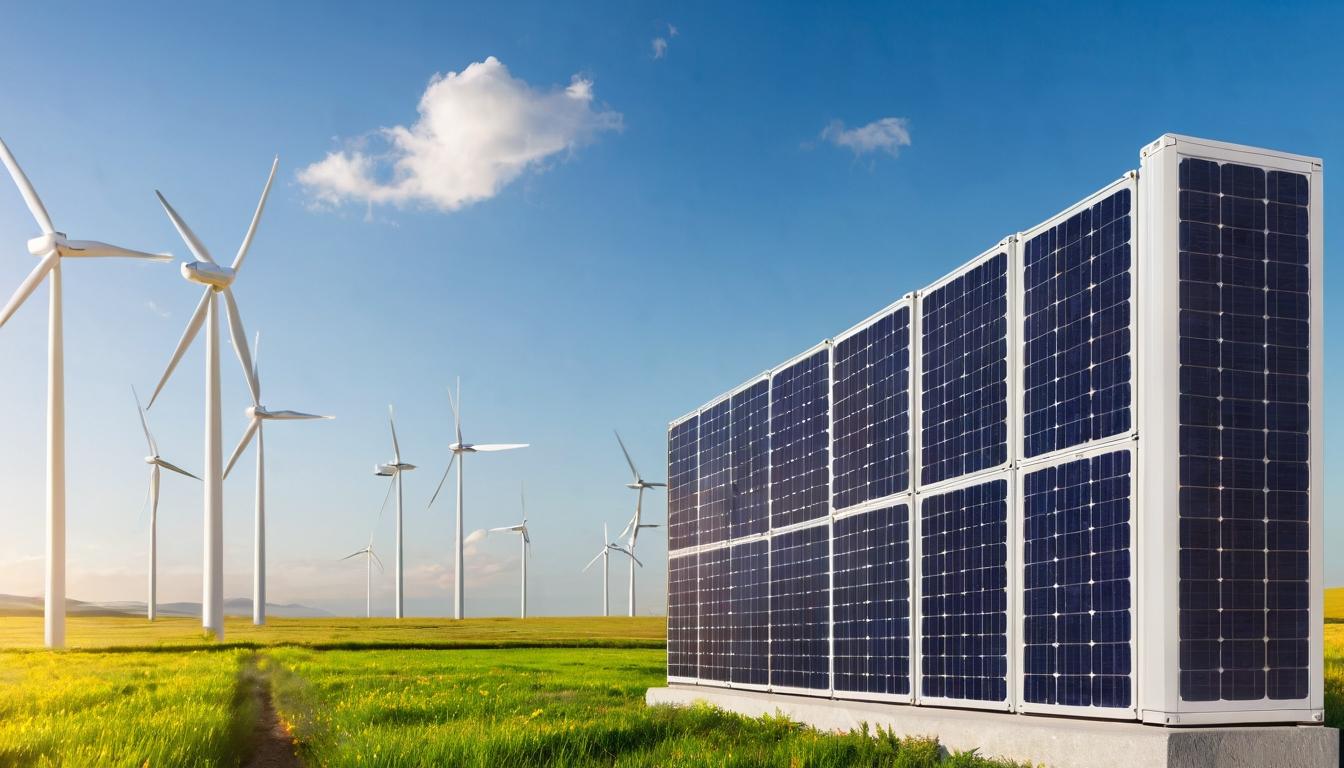
Meanwhile, the renewable energy sector is racing to keep up. Wind and solar farms are deploying their own AI systems to optimize everything from turbine blade angles to solar panel cleaning schedules. One Midwestern wind farm increased production by 8% simply by using machine learning to identify which turbines needed maintenance before they actually failed—saving thousands in repair costs and preventing downtime during peak generation hours.
Perhaps most intriguing is how these technologies are converging. In North Carolina, Duke Energy is experimenting with what they call a 'self-healing grid'—a network that can automatically reroute power around damaged lines, sometimes before customers even notice an outage. The system uses AI to analyze data from thousands of sensors, making decisions in milliseconds that would take human operators minutes or hours.
Yet for all this technological advancement, the human element remains crucial. Grid operators I interviewed described a strange new relationship with their AI assistants—trusting them with critical decisions while maintaining enough skepticism to override them when intuition suggests something's wrong. One veteran operator in Texas told me, 'It's like having the smartest intern in the world who's also occasionally psychotic. You have to know when to listen and when to say no.'
The regulatory landscape is struggling to keep pace. Current rules were written for a world where humans made all the decisions, not algorithms that learn and evolve. Several state public utility commissions are now grappling with fundamental questions: Should AI systems be subject to the same certification processes as human operators? Who owns the data these systems generate? And perhaps most importantly, how do we ensure these technologies benefit all ratepayers, not just those in wealthy neighborhoods?
What's clear is that we're at a tipping point. The energy grid of 2030 will look nothing like today's system, and the decisions being made right now—often in quiet boardrooms and research labs—will determine whether this transformation empowers communities or creates new forms of energy inequality. The algorithms are learning faster than our regulations can adapt, and that gap represents both tremendous opportunity and significant risk.
As one researcher at MIT told me, 'We're building the nervous system for the entire country's energy infrastructure, and we're doing it with tools we don't fully understand.' That statement should give everyone pause—not because we should stop progress, but because we need to approach it with eyes wide open, asking hard questions about who benefits and who gets left behind in this new energy landscape.
The hidden grid: How AI is quietly reshaping America's energy future