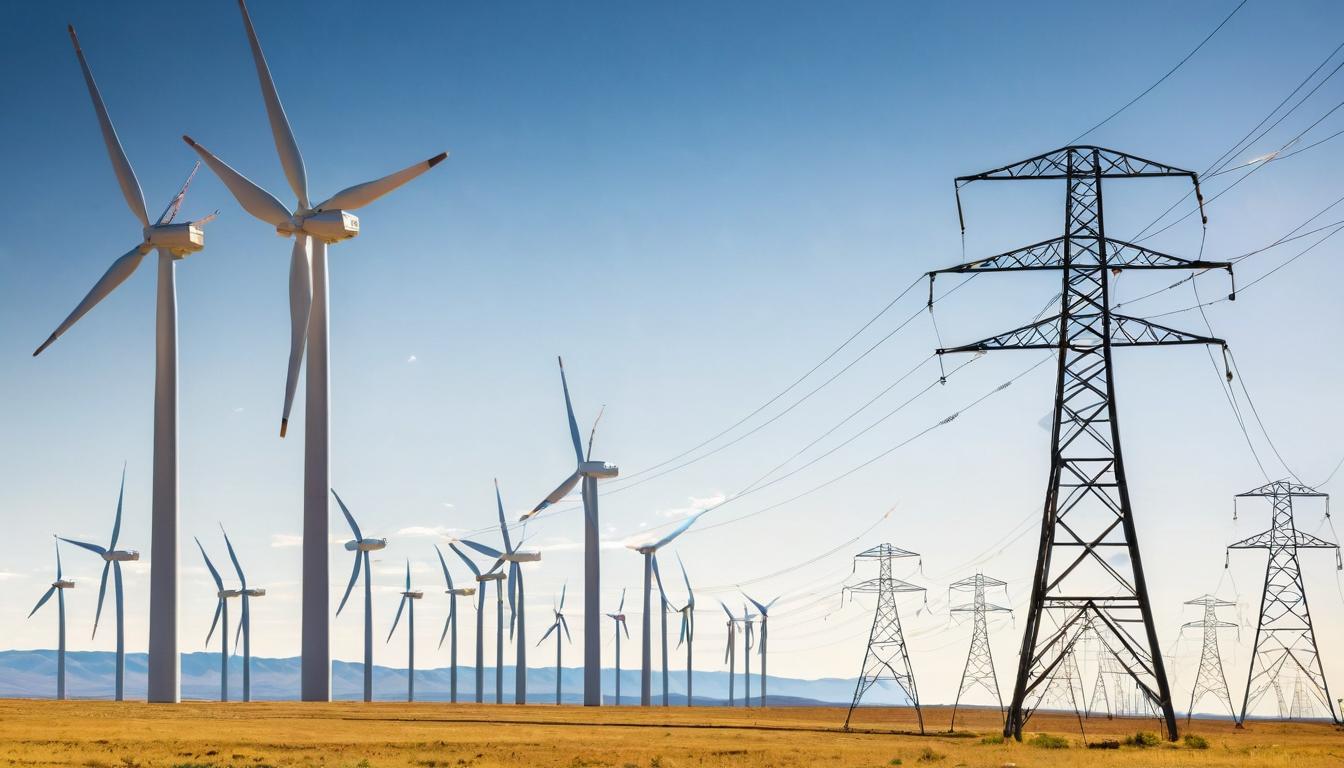
In the sprawling deserts of Nevada, solar farms stretch toward the horizon like shimmering lakes of glass. In the gusty plains of Texas, wind turbines spin with hypnotic grace. Yet much of this clean electricity remains trapped, unable to reach the cities and factories that desperately need it. The culprit isn't a lack of sun or wind, but something far more mundane and far more frustrating: America's aging, congested power grid.
Across the country, a quiet crisis is unfolding. Renewable energy projects worth billions of dollars are stuck in interconnection queues, waiting years—sometimes a decade—for permission to connect to the grid. The bottleneck has become so severe that in some regions, proposed clean energy capacity exceeds what the existing transmission system can handle. This isn't just an engineering problem; it's a fundamental roadblock to America's climate goals and energy independence.
Dig into the numbers, and the scale of the challenge becomes staggering. According to recent analyses, over 2,000 gigawatts of proposed generation and storage—mostly solar, wind, and batteries—are waiting in interconnection queues nationwide. That's nearly double the entire existing U.S. power plant fleet. Meanwhile, high-voltage transmission capacity grew by just 1% annually over the past decade, while electricity demand is projected to surge as everything from vehicles to factories electrifies.
The human stories behind these statistics reveal a system in desperate need of reform. In the Midwest, a community solar developer spent four years navigating a maze of studies, upgrades, and fees before finally connecting a modest project to the grid. In California, a battery storage facility that could help prevent blackouts sat completed but idle for months, awaiting final approval from grid operators. These delays aren't just frustrating—they're costing jobs, raising electricity prices, and keeping fossil fuel plants running longer than necessary.
Why is this happening? The answer lies in a perfect storm of regulatory fragmentation, underinvestment, and sheer complexity. America's grid is operated by a patchwork of regional transmission organizations, independent system operators, and traditional utilities, each with different rules and priorities. Planning new transmission lines involves navigating a labyrinth of local, state, and federal approvals, with opposition from landowners and communities often derailing projects for years.
Meanwhile, the physical reality of the grid creates its own constraints. Most high-voltage transmission lines were built decades ago to connect large coal, nuclear, and natural gas plants to population centers. They weren't designed for the distributed, intermittent nature of renewable energy, which often generates power in remote areas far from existing infrastructure. Upgrading these lines isn't just about adding capacity—it's about fundamentally reimagining how electricity flows across the continent.
Innovative solutions are emerging, but they face their own hurdles. Advanced grid technologies like dynamic line rating, which allows existing wires to carry more power when conditions permit, offer a quicker fix but require significant investment in sensors and software. Underground and underwater transmission lines avoid visual objections but cost three to ten times more than traditional overhead lines. Even simple solutions like reconductoring—replacing existing wires with advanced materials that can carry more current—face regulatory and funding challenges.
The stakes couldn't be higher. Every year of delay in grid expansion makes it harder to meet climate targets, increases reliance on volatile fossil fuel markets, and leaves communities vulnerable to extreme weather. The 2021 Texas blackouts and California's recurring wildfire-related outages offer grim previews of what happens when grid infrastructure fails to keep pace with changing energy patterns and climate realities.
Yet there are glimmers of hope. The bipartisan infrastructure law includes billions for transmission projects and grid modernization. The Federal Energy Regulatory Commission is working on reforms to streamline interconnection processes. Some states, like New York and Illinois, are experimenting with innovative approaches to planning and funding transmission for renewable energy.
Perhaps most importantly, a new generation of engineers, policymakers, and entrepreneurs is approaching the grid not as a static piece of infrastructure, but as a dynamic platform for innovation. They're exploring everything from advanced power flow controllers that can redirect electricity like internet traffic, to hybrid projects that combine solar, wind, and storage with dedicated transmission lines.
The battle for America's power lines won't be won overnight. It will require sustained investment, regulatory courage, and public engagement. But the alternative—a clean energy revolution stalled by century-old wires—is no alternative at all. As one transmission engineer put it recently, 'We can build all the solar panels and wind turbines we want, but without the wires to connect them, they're just very expensive lawn ornaments.' The time to untangle the grid is now, before the lights start going out.
The hidden battle for America's power lines: How outdated infrastructure is blocking the clean energy revolution