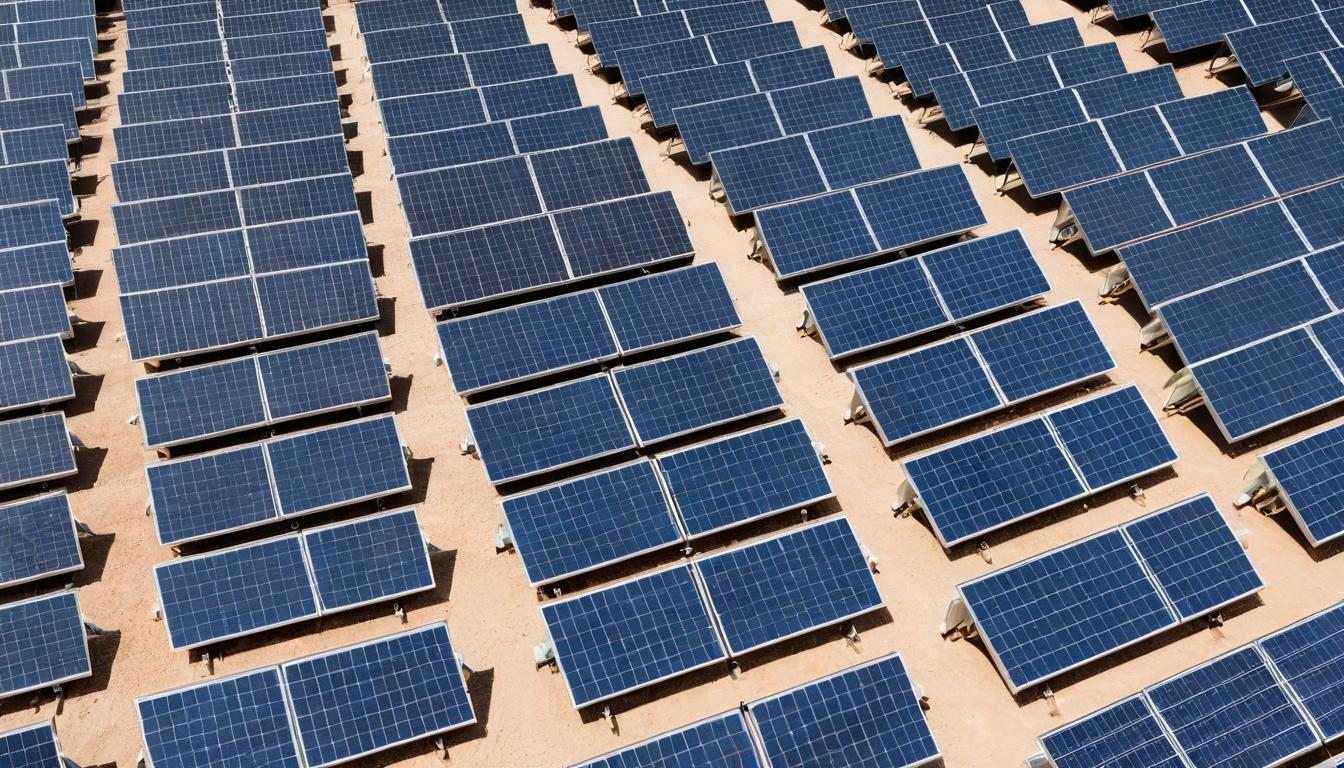
In the backrooms of state utility commissions and corporate boardrooms, a quiet revolution is unfolding that will determine whether America's energy transition accelerates or stalls. While headlines focus on flashy solar farms and sleek electric vehicles, the real action is happening where most people never look: in the arcane world of rate cases, grid planning, and regulatory filings that dictate how electricity flows to our homes.
Across the country, utilities are deploying sophisticated strategies to protect their traditional business models while appearing to embrace clean energy. In states like Florida and Georgia, investor-owned utilities are proposing massive investments in natural gas plants while simultaneously touting modest solar additions. The filings reveal a calculated dance: enough renewable projects to satisfy public relations demands, but enough fossil fuel infrastructure to guarantee decades of predictable returns.
This isn't about good versus evil—it's about incentives. The traditional utility model rewards capital expenditure, not efficiency. When a company earns a guaranteed return on every dollar spent building power plants and transmission lines, the financial logic becomes clear: build more, earn more. This creates what energy economists call the 'utility death spiral,' where rising costs drive customers to generate their own power, which raises costs for remaining customers, pushing more to leave the grid.
Meanwhile, a parallel revolution is brewing at the grid's edge. Community solar projects, once dismissed as niche experiments, are now threatening utility dominance in states like Minnesota and New York. These projects allow renters and homeowners without suitable roofs to buy into local solar arrays, receiving credits on their utility bills. The utilities' response has been telling: aggressive lobbying to limit project sizes, reduce compensation rates, and add bureaucratic hurdles.
Perhaps the most revealing battles are happening over something called 'non-wires alternatives.' When utilities identify a need for expensive grid upgrades—say, a new substation to handle growing demand—regulators in progressive states now require them to consider cheaper solutions first. These might include battery storage, demand response programs that pay customers to reduce usage during peak times, or energy efficiency incentives. The utilities' internal documents, obtained through public records requests, show consistent resistance to these alternatives, which threaten their traditional 'build and bill' approach.
Technology is both the disruptor and the enabler. Advanced metering infrastructure, once touted as a tool for consumers to manage energy use, is increasingly being deployed as a surveillance network. Utilities can now detect when customers install rooftop solar without permission, identify 'unauthorized' electric vehicle charging, and even pinpoint specific appliance usage. This data goldmine creates new revenue streams while raising profound privacy questions that regulators are only beginning to address.
The workforce transition presents another hidden challenge. As coal plants retire, utilities face pressure to retrain workers for renewable jobs, but the economics don't always align. A coal plant might employ 200 people operating around the clock, while a similarly sized solar farm might need 20 for intermittent maintenance. The human cost of the energy transition is being negotiated in union halls and corporate HR departments, far from the glossy sustainability reports.
What emerges from this investigation is a portrait of an industry at a crossroads. Some utilities, like NextEra Energy in Florida, are betting big on renewables while maintaining fossil fuel backups. Others, like Pacific Gas & Electric in California, are being forced by wildfires and public pressure to fundamentally rethink their relationship with the grid. And municipal utilities in cities like Austin and Los Angeles are charting third paths toward 100% clean energy on accelerated timelines.
The stakes couldn't be higher. According to grid analysts, America needs to triple its transmission capacity to handle the renewable energy boom. Yet most proposals face years of delays from local opposition and regulatory hurdles. The utilities that solve this puzzle—balancing reliability, affordability, and sustainability—will shape America's energy landscape for generations. Those that cling to twentieth-century models risk becoming the next Blockbuster in a Netflix world.
This isn't just about electrons and infrastructure. It's about who controls the switch that powers our lives, who profits from that control, and what kind of world we're building with every kilowatt-hour. The answers are being written right now, in regulatory filings most people will never read, determining whether our energy future will be centralized or distributed, monopolized or democratized, dirty or clean.
The hidden battle for America's grid: How utilities are quietly reshaping our energy future