If you think your electricity bill is just about kilowatt-hours and service fees, you're missing the real story unfolding in boardrooms from California to New York. Across the country, a quiet revolution is happening—one where your monthly utility payment has become a proxy war for America's energy identity. While politicians debate climate policy on cable news, the real action is happening in regulatory hearings so obscure they don't even make local papers.
In states like Texas and Florida, utilities are deploying sophisticated algorithms to identify 'energy activists'—customers who install solar panels, buy electric vehicles, or simply reduce their consumption too aggressively. These customers, once celebrated as environmental pioneers, are now finding themselves facing new fees and rate structures designed to protect traditional utility business models. It's a digital-age version of the old company town, where the company now controls not just your power but your data too.
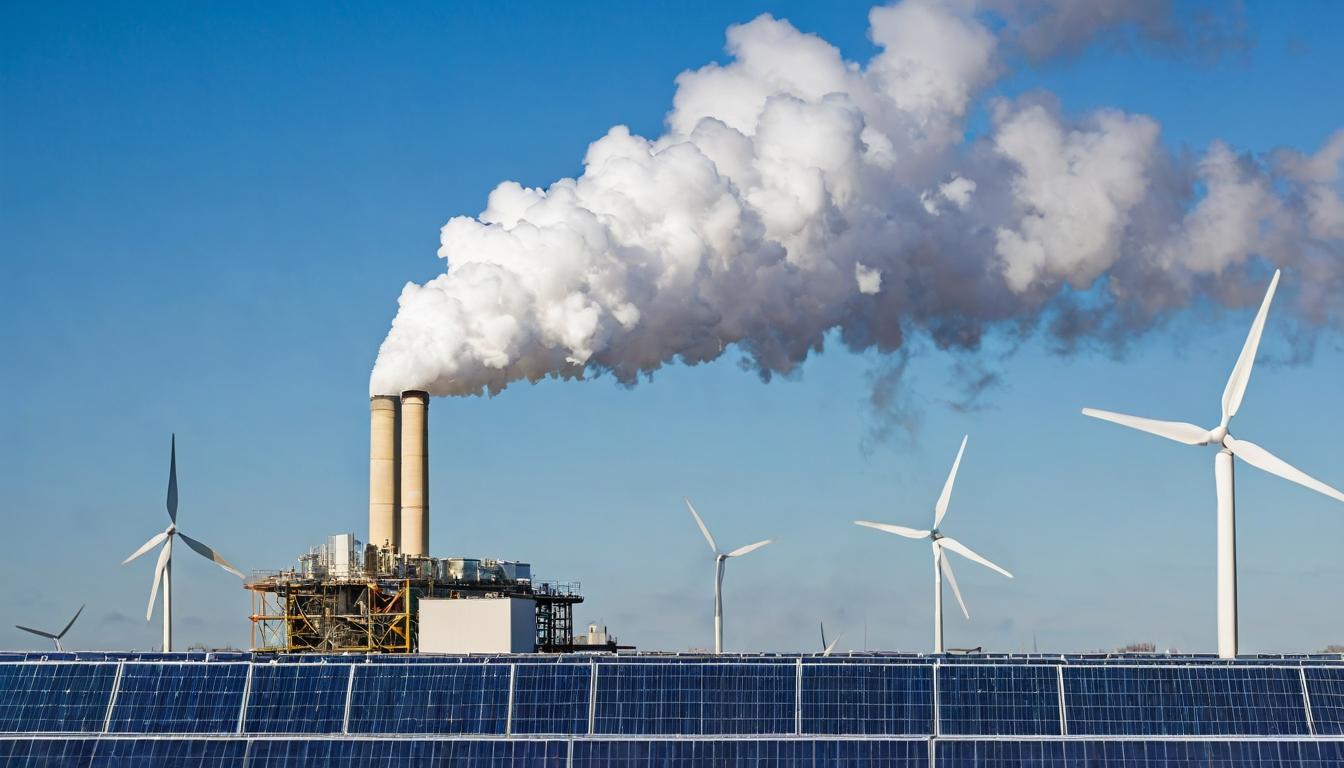
Meanwhile, the renewable energy boom has created strange bedfellows. Oil giants like Shell and BP are outbidding traditional developers for wind and solar projects, while tech companies like Google and Amazon are becoming de facto energy companies through massive power purchase agreements. The result? A landscape where your 'green' electricity might be coming from a fossil fuel company's renewable division, while your data center's carbon-neutral claim relies on accounting tricks that would make Enron blush.
Perhaps most concerning is the growing 'utility capture' of regulatory bodies. In multiple states, former utility executives now serve as public utility commissioners—the very people supposed to regulate their former employers. The revolving door spins so fast it generates its own electricity. These commissioners approve rate increases that fund political campaigns against rooftop solar, creating a perfect feedback loop where customers pay to defeat their own interests.
But there's hope in the chaos. Community energy projects are springing up in unexpected places—from Native American reservations to deindustrialized Midwest towns. These microgrids and cooperatives aren't just providing power; they're rebuilding local economies and keeping energy dollars circulating locally rather than flowing to distant corporate headquarters. In Puerto Rico, grassroots solar installations have proven more resilient than the centralized grid that failed during Hurricane Maria.
The coming decade will determine whether America's energy system serves shareholders or citizens. Will we have a democratic energy future where communities control their power, or a feudal one where utilities extract tribute from captive customers? Your next bill might contain clues—if you know how to read between the lines.
The hidden battle for America's energy future: Why your utility bill is becoming a political weapon