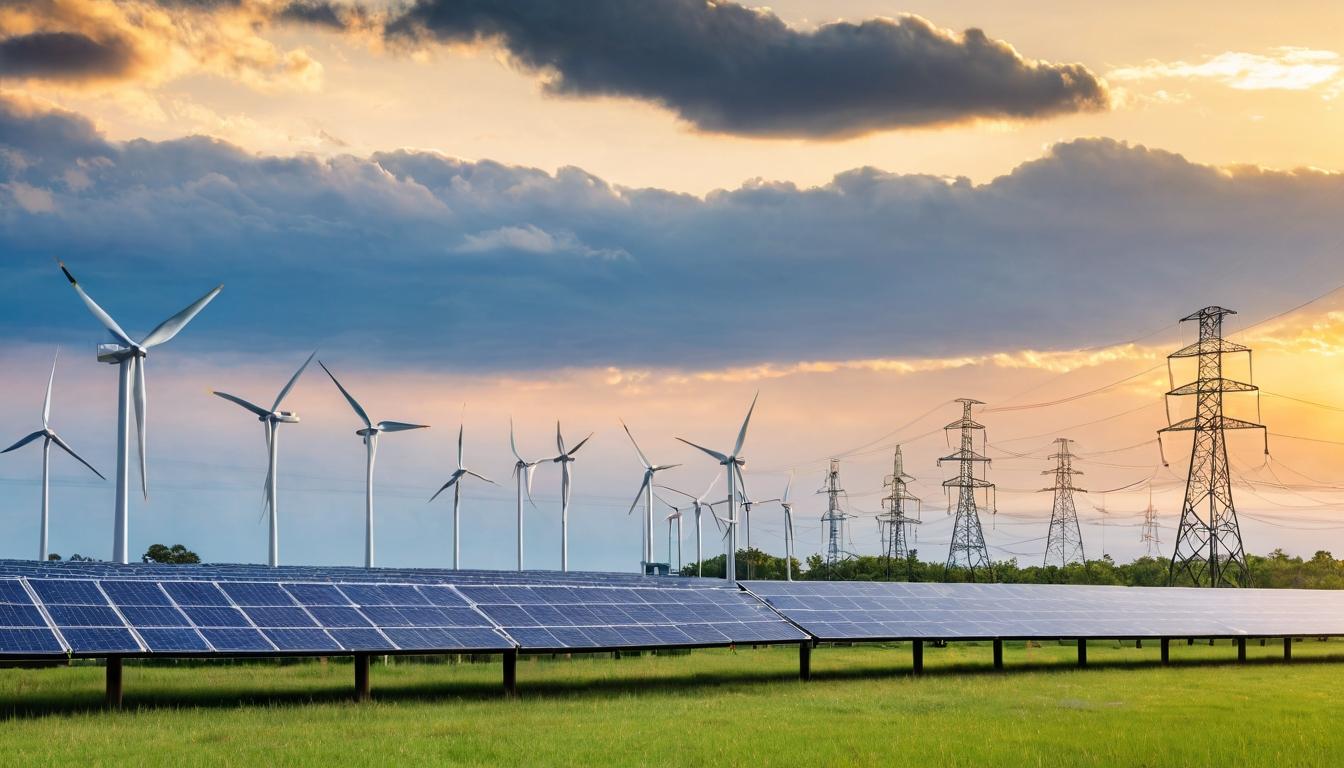
In the hushed corridors of state utility commissions and the polished boardrooms of investor-owned power companies, a quiet revolution is unfolding—one that will determine whether America's clean energy transition happens on schedule or gets derailed by legacy interests. While headlines focus on flashy solar farms and sleek electric vehicles, the real action is happening in regulatory filings so dense they'd make a lawyer's eyes glaze over. This is where the future gets decided, one kilowatt-hour at a time.
Across the country, utilities are deploying a sophisticated arsenal of tactics to protect their traditional business models. They're proposing new rate structures that penalize rooftop solar owners, pushing for grid fees that make community solar projects uneconomical, and advocating for massive investments in natural gas plants dressed up as 'reliable backup.' The language is always about reliability and affordability, but dig into the financial projections and you'll find a different story—one about protecting shareholder returns in a changing world.
Meanwhile, in states from California to New York, a counter-movement is gaining momentum. Consumer advocates, environmental groups, and forward-thinking regulators are pushing for 'performance-based regulation' that rewards utilities for outcomes rather than infrastructure spending. Imagine a world where your power company makes more money by helping you use less electricity. It sounds like a paradox, but it's already happening in pockets of innovation where utilities earn bonuses for meeting efficiency targets and integrating renewables successfully.
Beneath these policy debates lies a technological arms race that few consumers see. Utilities are investing billions in smart grid technology that could either democratize energy or create new forms of control. Advanced meters can help homeowners optimize their usage, but they also generate data troves that could be used for targeted rate increases. Grid-edge devices promise to balance supply and demand automatically, but who programs the algorithms that decide whose power gets curtailed first during a heatwave?
The most revealing battles are playing out in what energy wonks call 'integrated resource planning'—the once-every-few-years process where utilities lay out their investment plans for the coming decades. In states like Florida and Ohio, utilities are using these plans to lock in fossil fuel investments for another generation, while in Colorado and Nevada, they're embracing wind and solar at prices that were unimaginable just five years ago. The difference often comes down to who's sitting at the table when these plans get written.
What's missing from most of these discussions is the voice of ordinary ratepayers. Utility commission hearings are typically dominated by industry lawyers and professional intervenors, with public participation limited to brief comment periods. Yet the decisions made in these forums will determine whether low-income families can afford to cool their homes in a warming climate, whether rural communities get left behind in the energy transition, and whether the promise of clean energy becomes a reality or just another corporate rebranding exercise.
The stakes couldn't be higher. America's electricity system is at a crossroads—one path leads to a decentralized, renewable-powered future where communities control their energy destiny; the other to a centralized system where utilities maintain control through different means. The outcome will depend not on technological breakthroughs, but on who wins the quiet war happening right now in regulatory filings and rate cases across the country.
The hidden battle for America's energy future: How utilities are quietly rewriting the rules