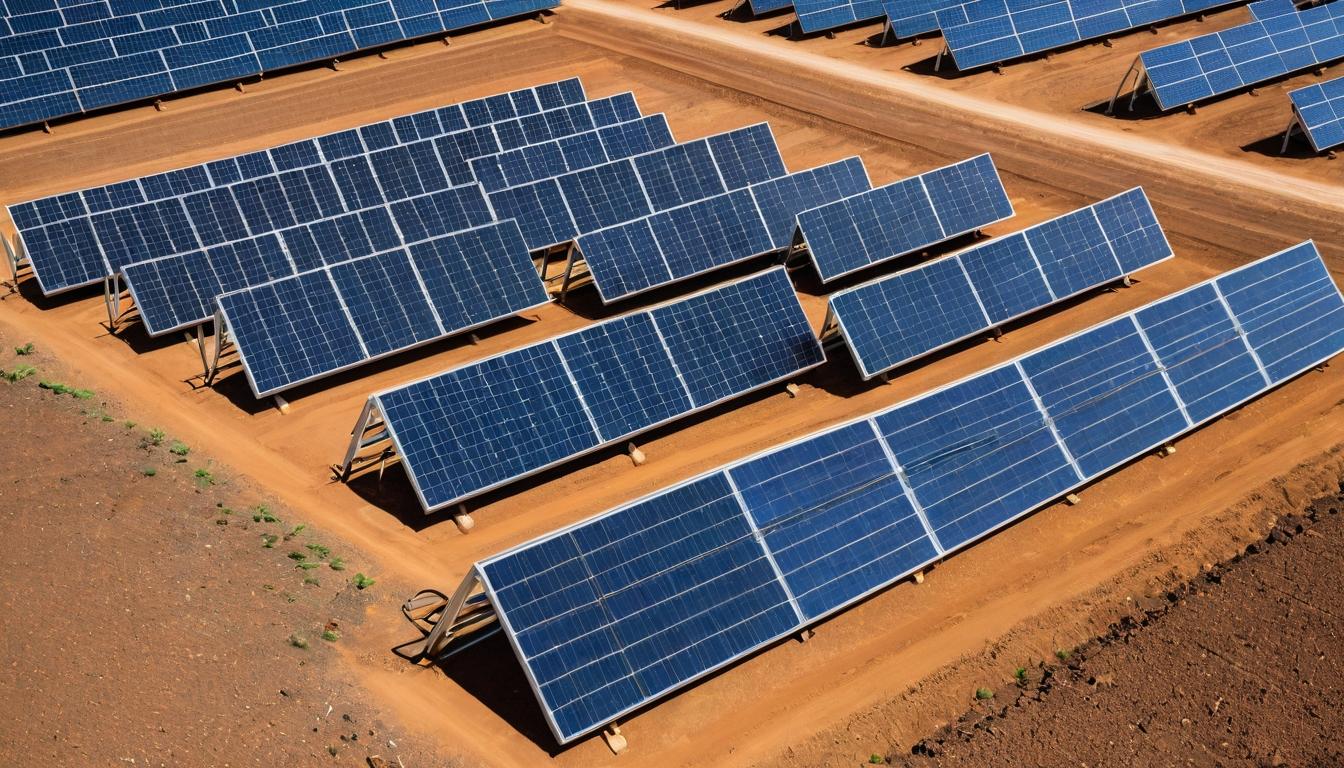
If you think the energy transition is all about solar panels and wind turbines, you're missing the real story. There's a quieter revolution happening behind the scenes, one that doesn't make for flashy headlines but will determine whether our clean energy future actually works. It's happening in utility boardrooms, regulatory hearings, and control rooms across the country, where decisions being made today will shape our energy system for decades.
Walk into any utility planning meeting these days, and you'll hear two words repeated like a mantra: grid modernization. It sounds technical, even boring. But what it really means is rebuilding America's aging electrical infrastructure while simultaneously preparing it for a flood of renewable energy, electric vehicles, and smart technologies. The utilities that get this right will thrive. Those that don't will leave their customers with unreliable power and skyrocketing bills.
Here's the dirty secret nobody wants to talk about: many utilities are still playing defense. Instead of embracing the transition, they're finding creative ways to protect their traditional business models. Some are proposing massive investments in natural gas plants disguised as 'bridge fuels.' Others are pushing for rate structures that make rooftop solar less attractive to homeowners. A few are even lobbying against community solar programs that would give low-income families access to clean energy.
Meanwhile, the technology is advancing faster than regulations can keep up. Battery storage costs have plummeted 90% in the last decade. Smart thermostats and appliances can now communicate with the grid to reduce demand during peak hours. Electric vehicles aren't just transportation—they're mobile batteries that could potentially power homes during outages. But most utilities aren't set up to take advantage of these innovations. Their business models were built for a one-way flow of electricity from big power plants to passive consumers.
Regulators find themselves in an impossible position. They're being asked to approve billion-dollar grid investments without clear standards for what 'modernization' actually means. Should utilities be building more transmission lines to connect remote wind farms? Or should they focus on local 'microgrids' that can operate independently during storms? The answer depends on who you ask, and everyone has a different set of data to back up their position.
Then there's the equity problem. Low-income communities and communities of color are consistently last in line for grid upgrades. They suffer more frequent outages, pay a higher percentage of their income for electricity, and have less access to energy efficiency programs. As utilities invest in smart meters and other advanced technologies, there's a real risk these communities will be left even further behind—creating what some advocates call 'energy apartheid.'
Some utilities are breaking the mold. A handful of forward-thinking companies are experimenting with performance-based regulation, where their profits are tied to outcomes like reliability, customer satisfaction, and emissions reduction rather than simply how much infrastructure they build. Others are partnering with tech companies to create virtual power plants—networks of distributed energy resources that can act like traditional power plants when needed.
The most interesting experiments are happening at the edges of the system. In Vermont, Green Mountain Power pays customers to use their home batteries to support the grid during peak demand. In California, utilities are required to consider 'non-wires alternatives'—like local solar and storage—before building new transmission lines. In New York, the Reforming the Energy Vision initiative has created a marketplace where distributed energy resources can compete with traditional power plants.
What's missing from most of these discussions is the voice of ordinary energy users. We're all going to pay for these grid upgrades through our electricity bills, but few of us understand the choices being made on our behalf. The technical complexity of rate cases and integrated resource plans creates a perfect smokescreen for decisions that will affect every aspect of our lives—from how much we pay for electricity to whether our lights stay on during heatwaves.
The stakes couldn't be higher. Get this wrong, and we'll lock in decades of unnecessary fossil fuel use while missing our climate targets. Get it right, and we could create a grid that's more reliable, affordable, and clean than anything we've ever known. But getting it right requires looking beyond the shiny new technologies to the boring, complicated, absolutely critical work of rebuilding the systems that power our lives.
This isn't just an energy story. It's a story about power—who has it, who doesn't, and who gets to decide what our future looks like. The next time you flip a light switch, remember: that simple action connects you to one of the most important battles of our time, and it's being fought in places most of us never see.
The hidden battle for America's energy future: How utilities are quietly reshaping the grid