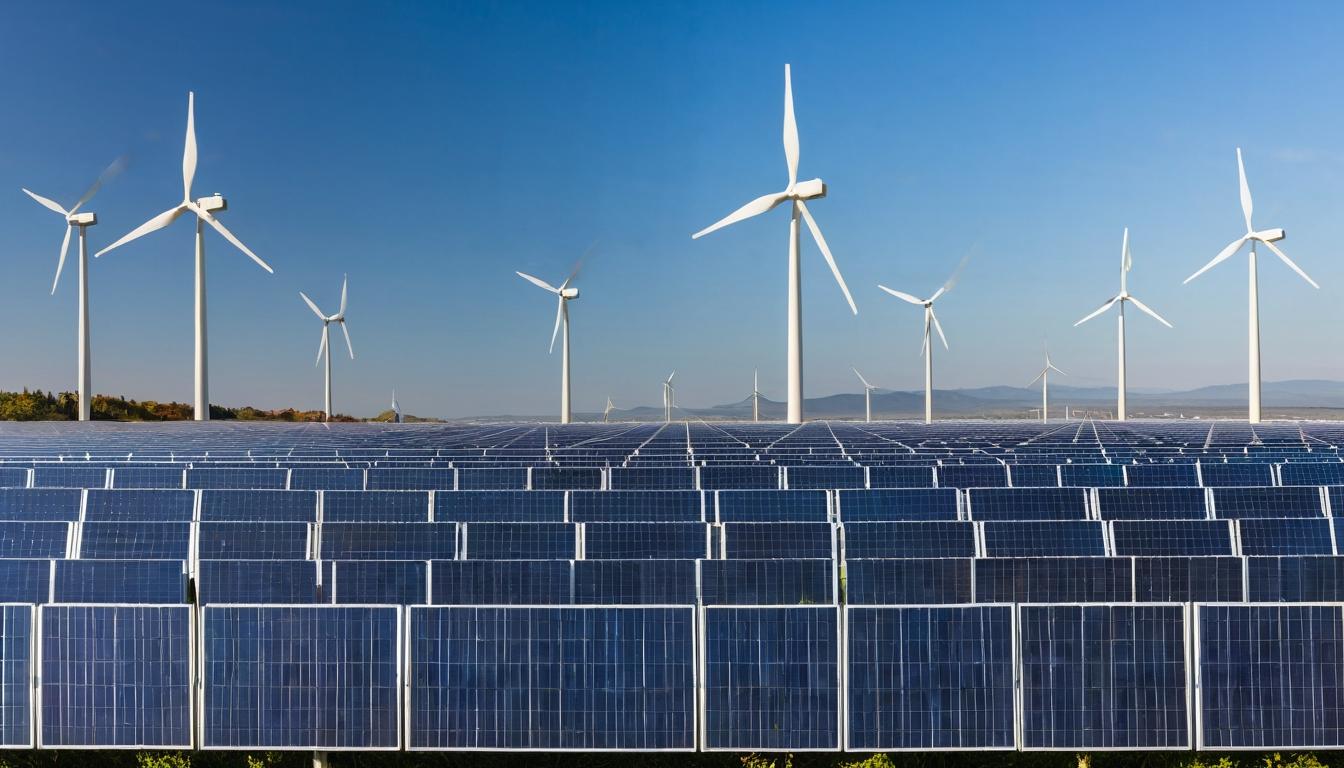
While headlines scream about solar farms and wind turbines, a quieter transformation is unfolding in the shadows of our power infrastructure. It's not about generating more electrons—it's about making the grid smarter, more resilient, and almost eerily predictive. Across utility control rooms and startup incubators, artificial intelligence is learning to anticipate failures before they happen, turning what was once reactive maintenance into a chess game against entropy.
This isn't science fiction; it's happening right now in places like Texas and California, where grid operators are feeding decades of weather data, equipment performance records, and even social media sentiment into neural networks. The result? Systems that can predict transformer failures with 92% accuracy days before they occur, preventing blackouts and saving millions in emergency repairs. One utility in the Midwest quietly reduced outage durations by 40% last year without installing a single new power line—they just taught their algorithms to recognize the early whispers of equipment stress.
Meanwhile, microgrids are evolving from backup systems to full-fledged energy communities. What began as hospital emergency power has become neighborhood-scale energy democracy. In Brooklyn's Red Hook neighborhood, a solar-powered microgrid kept lights on during Superstorm Sandy when the main grid failed. Now similar projects are popping up from Puerto Rico to Michigan, often led by communities tired of waiting for utilities to harden infrastructure against climate change.
But here's the twist: these microgrids are starting to talk to each other. Through blockchain-enabled peer-to-peer trading platforms, a solar-powered home in Austin can sell excess energy directly to a neighbor during peak hours, bypassing the traditional utility middleman. It's creating what energy economists call 'the Airbnb effect' for electricity—turning passive consumers into active market participants.
Beneath these visible changes runs a deeper current: the datafication of everything. Smart meters have become the tip of the spear, collecting granular consumption data that reveals patterns invisible to human analysts. One pilot program discovered that 15% of residential 'vampire load'—energy consumed by devices in standby mode—comes from a single model of gaming console manufactured in 2018. That's the kind of specificity that transforms energy conservation from broad-strokes campaigns to surgical interventions.
The regulatory landscape is scrambling to keep up. Public utility commissions from New York to Hawaii are wrestling with questions that would have seemed absurd a decade ago: Should a microgrid have the right to sell power across utility boundaries? Who owns the data generated by smart home devices? Can AI algorithms be held liable for bad grid management decisions? These aren't academic debates—they're determining whether innovation happens at the speed of Silicon Valley or the speed of government hearings.
Perhaps most surprisingly, the workforce transforming the grid looks nothing like the utility employees of the past. Data scientists, behavioral economists, and cybersecurity experts now sit alongside electrical engineers in control rooms. One Midwestern utility reports that 30% of its new hires last year came from tech companies, not energy programs. They're bringing Silicon Valley's 'fail fast' mentality to an industry that historically measured failure in blackouts.
What emerges from all this isn't just a more efficient grid, but a fundamentally different relationship with energy. The passive, take-what-you're-given model is giving way to active participation, where consumers can choose not just how much power they use, but when, from whom, and at what price. It's creating markets within markets, turning kilowatt-hours into tradeable commodities and energy conservation into a competitive sport.
The revolution won't be televised—it'll be logged in data streams and optimized by algorithms most people will never see. But its effects will ripple through every flick of a light switch, every monthly bill, and every community's resilience in the face of storms, heatwaves, and the unpredictable demands of our electrifying world. The grid is waking up, and it's getting smarter by the minute.
The grid's silent revolution: how AI and microgrids are quietly rewriting the energy rulebook