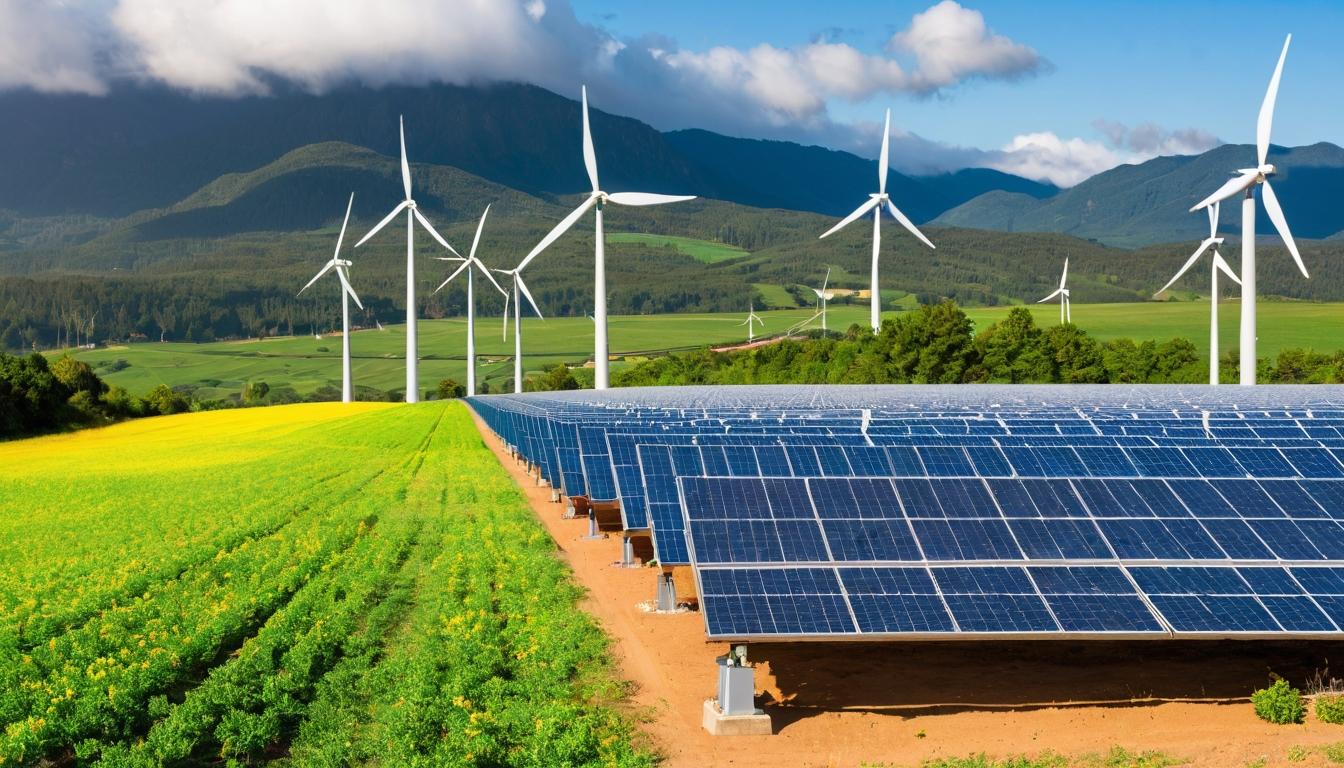
In the quiet hum of a suburban transformer or the vast expanse of a wind farm, a revolution is unfolding without fanfare. While headlines chase the latest solar panel efficiency records or electric vehicle sales milestones, the real story of America's energy transformation is happening in the shadows—in control rooms, algorithms, and community basements. This isn't just about generating cleaner electrons; it's about reimagining the entire nervous system of power delivery, and the changes are more profound than most realize.
Across the country, utilities are deploying artificial intelligence in ways that would have seemed like science fiction a decade ago. In Ohio, machine learning algorithms now predict transformer failures weeks before they happen, preventing blackouts by identifying subtle anomalies in vibration and temperature data. California's grid operators use AI to forecast renewable output with startling accuracy, balancing solar and wind fluctuations in real-time. This isn't just incremental improvement—it's fundamentally changing how we think about reliability, moving from reactive maintenance to predictive intelligence that keeps lights on through storms and heatwaves.
Meanwhile, microgrids are sprouting in unexpected places, creating pockets of energy independence that challenge traditional utility models. From Brooklyn's Red Hook neighborhood—where a solar-powered microgrid kept lights on during Superstorm Sandy when the main grid failed—to military bases in Texas that now generate their own power, these self-contained systems represent more than backup generators. They're laboratories for new business models, testing how communities can trade energy locally, integrate diverse resources, and maintain resilience when centralized systems falter. The quiet proliferation of these systems suggests a future where the grid isn't a one-way street but a dynamic network of interconnected islands.
Perhaps most surprisingly, the energy transition is creating strange new alliances. Oil and gas companies are becoming major investors in geothermal projects, applying drilling expertise to tap the Earth's heat in places like Utah's FORGE site. Tech giants like Google and Microsoft are not just buying renewable energy—they're reshaping electricity markets with 24/7 clean energy contracts that demand innovation in storage and transmission. Even agricultural communities are finding unexpected revenue streams, with farmers leasing land for solar arrays while grazing sheep beneath the panels in symbiotic arrangements that benefit both food and power production.
Yet this transformation faces invisible hurdles. Aging transmission lines create bottlenecks that prevent renewable-rich regions from sharing their bounty, while interconnection queues for new projects stretch for years. Cybersecurity threats loom larger as grids become more digital, with nation-state actors probing vulnerabilities daily. And equity questions persist: who benefits from these changes when low-income communities often lack access to rooftop solar or electric vehicle charging? The revolution may be quiet, but its challenges are anything but silent.
What emerges from these disparate threads is a picture of an energy system in flux—not through top-down mandates, but through countless experiments and adaptations. The future grid will likely be smarter, more decentralized, and more resilient than today's, but getting there requires navigating technical puzzles, regulatory mazes, and human behaviors that don't always follow logical patterns. The story isn't in any single breakthrough, but in the collective reshaping of how we produce, move, and use power—one algorithm, microgrid, and unlikely partnership at a time.
The grid's hidden revolution: how AI and microgrids are quietly transforming America's energy landscape