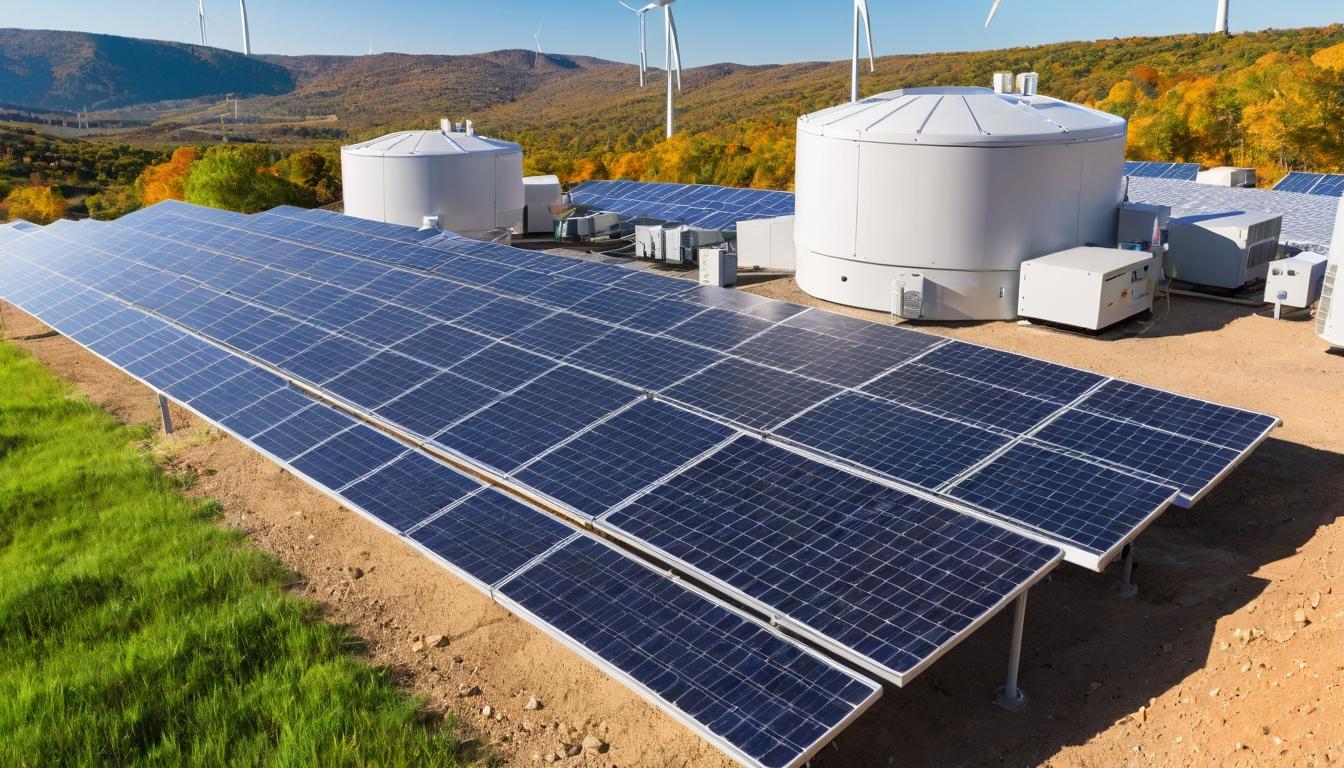
While headlines scream about solar farms and wind turbines, a quieter transformation is unfolding in the basements of community centers, beneath hospital parking lots, and across rural landscapes. This isn't about generating more clean energy—it's about managing the chaos of a decentralized grid with intelligence we've never before possessed. The story begins not with a flashy press release, but with lines of code and the hum of battery storage systems coming online in places you'd never expect.
For decades, the U.S. power grid operated on a simple principle: big plants send electricity one-way to passive consumers. That model is shattering. The explosion of rooftop solar, electric vehicles, and extreme weather events has created a system so complex that human operators can no longer manage it effectively. Enter the artificial intelligence revolution—not in Silicon Valley, but in utility control rooms from California to Maine. These systems are learning to predict failures before they happen, balance supply and demand in milliseconds, and integrate thousands of tiny energy sources into a coherent whole.
What makes this moment different from previous grid upgrades is the convergence of technologies that were science fiction just ten years ago. Machine learning algorithms now process weather data, consumption patterns, and equipment performance simultaneously, identifying vulnerabilities invisible to human engineers. Meanwhile, blockchain-enabled microgrids allow neighborhoods to trade excess solar power peer-to-peer, creating local energy markets that bypass traditional utilities entirely. The most fascinating development? These systems are starting to communicate with each other, forming what experts call a 'grid of grids' that's more resilient than any centralized system could ever be.
Perhaps the most compelling evidence of this quiet revolution comes from places that have already faced disaster. In Puerto Rico after Hurricane Maria, in Texas after Winter Storm Uri, communities didn't wait for centralized solutions. They built their own microgrids powered by solar and batteries, creating islands of power in seas of darkness. These aren't temporary fixes—they're becoming permanent features of local infrastructure, proving that resilience doesn't come from bigger power plants, but from smarter, more distributed networks.
The human stories behind this transition reveal both promise and peril. In rural Appalachia, former coal miners are training to maintain solar installations and battery systems, finding new purpose in the energy transition. In California, firefighters are using AI-powered grid maps to predict where downed power lines might spark the next wildfire. Yet there's tension too: utilities fighting to maintain control, regulators struggling to keep pace with innovation, and communities divided over who should own this new energy future.
What's emerging is a fundamental reimagining of what a grid can be. Instead of a monolithic system, we're building something more like the internet—decentralized, adaptable, and surprisingly robust. The most successful projects share a common characteristic: they put local needs first, whether that's keeping hospitals powered during outages or reducing energy bills for low-income households. This isn't just about technology; it's about rebuilding our relationship with energy from the ground up.
As this transformation accelerates, questions of equity and access become increasingly urgent. Will these smart grids benefit everyone, or will they create new divides between those with high-tech energy systems and those without? Early evidence suggests that when communities lead the planning process, the results are more equitable—but this requires intentional design, not just technological deployment. The most innovative programs are pairing microgrids with job training, ensuring that the energy transition creates economic opportunity alongside reliability.
Looking ahead, the implications stretch far beyond keeping lights on during storms. A truly intelligent grid could integrate electric vehicles as mobile storage units, optimize industrial energy use to slash emissions, and even help balance the entire country's renewable energy supply. We're not just upgrading infrastructure; we're building the nervous system for a new energy economy. The revolution won't be televised—it'll be humming quietly in substations and server farms, rewriting the rules of power one algorithm at a time.
The grid's hidden revolution: how AI and microgrids are quietly rewriting America's energy future