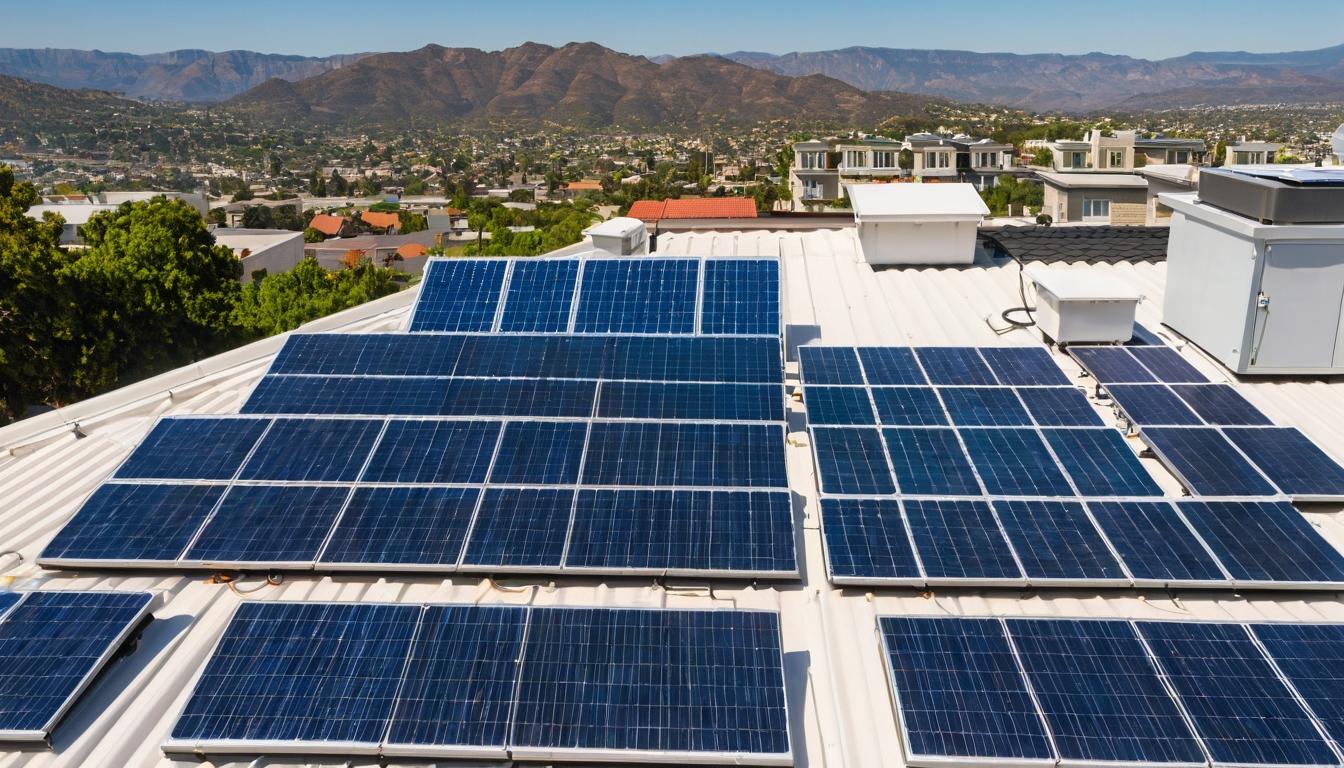
In the sun-drenched suburbs of Arizona and the coastal communities of California, a quiet revolution is unfolding on rooftops across America. Homeowners are embracing solar panels at record rates, lured by falling costs and the promise of energy independence. But behind the scenes, a different story is emerging—one where utility companies are engaged in a sophisticated campaign to reshape the economics of distributed generation, often leaving consumers in the dark about the real stakes.
Utility executives argue they're simply protecting grid reliability and ensuring fairness for all ratepayers. They point to the duck curve—that notorious dip in net demand when solar floods the grid during midday—as evidence that too much rooftop generation can destabilize the system. Their solution? New rate structures, demand charges, and reduced compensation for excess solar power sent back to the grid. In states like Florida and Indiana, utilities have successfully lobbied for changes that make solar less financially attractive, framing it as a matter of equity between solar and non-solar customers.
Yet dig deeper, and a more complex picture emerges. Internal documents and regulatory filings reveal utilities treating rooftop solar not just as a technical challenge, but as an existential threat to their century-old business model. The traditional utility profit formula—building infrastructure, getting a guaranteed return on investment—gets turned upside down when customers generate their own power. Suddenly, the poles and wires that represented reliable revenue streams become potential stranded assets.
This isn't just about kilowatt-hours; it's about control. For decades, utilities enjoyed a monopoly over electricity generation and delivery. Now, rooftop solar represents the first meaningful challenge to that dominance, putting power literally in the hands of consumers. The response has been a masterclass in regulatory maneuvering, with utilities funding studies that emphasize solar's costs while downplaying its benefits to the grid, like reduced transmission losses and deferred infrastructure investments.
Meanwhile, solar advocates are fighting back with data of their own. They point to studies showing distributed solar actually strengthens grid resilience, particularly during extreme weather events when centralized power plants often fail. They highlight how net metering—the policy allowing solar owners to receive credit for excess generation—has driven solar adoption while creating thousands of local jobs. And they question why utilities seem more interested in protecting their profits than embracing a cleaner, more decentralized energy future.
The battle is playing out in public utility commissions across the country, often in dense technical proceedings that escape public attention. Rate cases filled with arcane terms like "value of solar" and "standby charges" determine whether solar remains accessible to middle-class families or becomes a luxury for the wealthy. Consumer advocates warn that without careful oversight, utilities will use their regulatory advantage to slow the energy transition to a pace that protects their bottom line.
What's often missing from these debates is the voice of the technology itself. Battery storage is changing the equation, allowing solar owners to store excess generation rather than sending it back to the grid. Virtual power plants—networks of distributed resources that can be dispatched like traditional power plants—offer utilities new ways to benefit from rooftop solar rather than fighting it. The question isn't whether the grid will change, but who will control that change and who will benefit.
As this struggle continues, one thing becomes clear: The future of energy won't be decided solely by engineers or economists, but by regulators, advocates, and ultimately, voters. The choices made in obscure regulatory hearings today will determine whether America's energy system becomes more democratic and resilient, or remains locked in a centralized model that prioritizes utility shareholders over consumer choice and climate progress.
The grid's hidden battle: How utilities are quietly rewriting the rules for rooftop solar